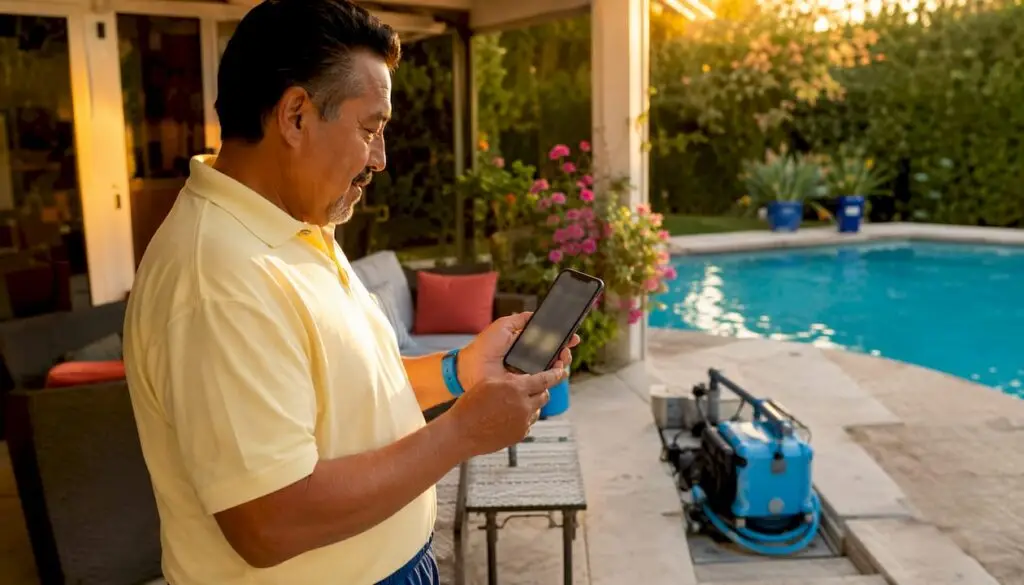
Pool automation is technology that lets you control your pool’s pumps, heaters, lights, and chemical feeders from a single wall panel or smartphone app, rather than managing each piece of equipment separately by hand. At its core, it’s about centralized pool control that reduces the daily grind of pool ownership while keeping your water clean, safe, and ready when you are. Whether you’re a busy Phoenix homeowner who travels frequently or simply tired of adjusting equipment manually every few days, understanding what pool automation can and can’t do is the first step toward making a smart investment.
What is pool automation, and how does it work?
Pool automation is a centralized control system that connects your pool equipment to a single interface, letting you schedule, monitor, and adjust operations remotely or on a set program. Think of it as a smart home system, but built specifically for your backyard pool. Instead of walking out to flip switches or adjust valves, you tap a button on your phone or set a weekly schedule once and let the system run.
The equipment typically brought under automation control includes:
- Circulation pumps (including variable-speed models that adjust flow rate automatically)
- Heaters and heat pumps for scheduled temperature management
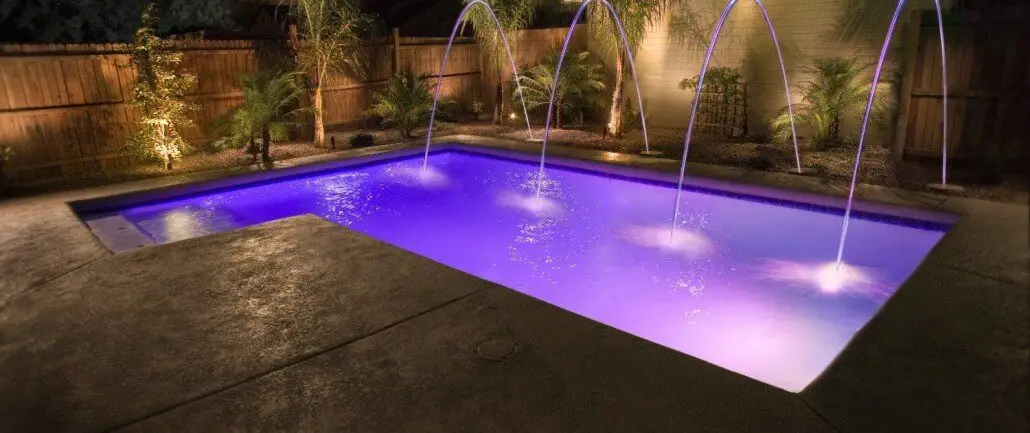
- Pool and spa lighting, including color-changing RGB systems
- Automatic chemical feeders for chlorine or bromine dosing
- Water features such as jets, fountains, and waterfalls
- Valves that route water between pool and spa modes
Automation tiers range from a basic mechanical timer ($100–$200) all the way to fully integrated systems with smartphone apps, sensors, and multi-zone control. Installation at any level beyond a simple plug-in timer requires a licensed professional to handle the electrical and plumbing connections safely.
Common features you can automate in your pool system
Modern pool automation systems cover far more than just turning the pump on and off. Here’s what a well-configured system actually controls:
- Variable-speed pump scheduling: A smart controller adjusts pump speed based on time of day, water temperature, or season, running slower overnight and faster during peak summer heat. This is where most of the energy savings come from.
- Heater integration: Set a target temperature and let the system activate the heater automatically when the water drops below it. Some setups coordinate heater operation with pump speed so water moves through the heat exchanger at the right rate.
- Lighting control: Schedule lights to turn on at dusk, dim later in the evening, or cycle through colors for entertaining. RGB LED systems can be programmed for specific scenes or synced with other pool features.
- Chemical dosing: Automatic chlorine or bromine feeders release sanitizer on a schedule or in response to demand. Setting up an automatic pool chemical feeder reduces the risk of under-dosing during high-use periods and over-dosing when the pool sits idle.
- Water features: Fountains, waterfalls, and jets can run independently or sync with other systems. You can program jets to activate only when the heater is running, for example, to maximize circulation efficiency.
- Valve positioning: Multi-port valves that switch between pool mode, spa mode, and waste routing can be automated so the system reconfigures itself without you touching a thing.
- Smartphone app control: Full-tier systems connect to apps like the Pentair Pool app or Jandy’s iAquaLink, letting you monitor water temperature, adjust schedules, and control equipment from anywhere with a cell signal.
Pro Tip: When setting up a pool maintenance app for the first time, program your pump schedule before anything else. Getting circulation right is the foundation that makes every other automated function work better.
Key benefits of installing a pool automation system
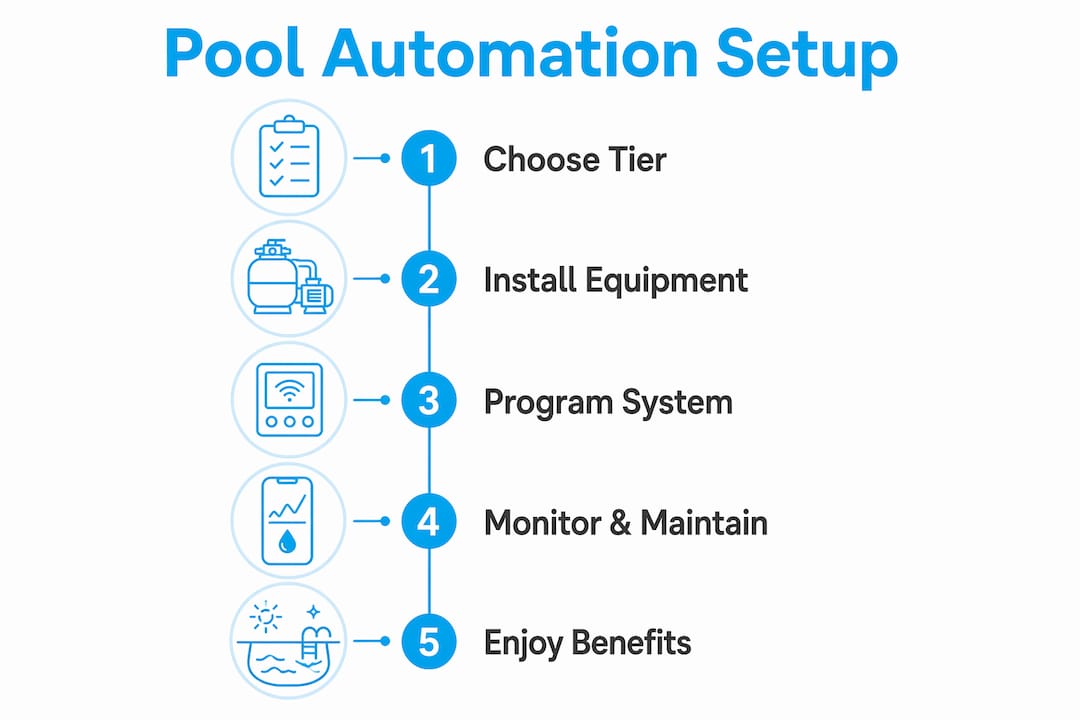
The primary benefit of pool automation is reducing repetitive maintenance tasks while keeping equipment running at its most efficient. That’s a meaningful payoff for homeowners who’d rather spend time in the pool than managing it.
Here’s where automation delivers real, practical value:
- Time savings: Scheduling pumps, heaters, and lights eliminates daily manual adjustments. For most homeowners, this reclaims several hours per week during swim season.
- Energy efficiency: Variable-speed pumps paired with smart controllers can save $400–$700 annually compared to running a single-speed pump at full power all day. The pump adjusts its speed to match actual circulation needs rather than running flat-out regardless of conditions.
- Extended equipment life: Short cycling, where equipment turns on and off too frequently, accelerates wear. Automation prevents this by running equipment on optimized schedules that reduce unnecessary starts and stops.
- Remote monitoring: If you travel or manage a vacation property, checking your pool’s status from your phone is genuinely useful. You can catch a heater malfunction or a pump failure before it becomes a costly repair.
- Better chemical balance: Consistent automated dosing keeps chlorine levels steadier than manual weekly additions, which tend to spike and then drop. Steadier chemistry means less risk of algae, scale, or surface damage.
- Confidence for less experienced owners: Automation is particularly valuable for homeowners who aren’t fully confident managing pool chemistry and equipment manually, reducing the chance of costly mistakes.
Pro Tip: Focus your automation budget on the variable-speed pump and controller first. That single upgrade delivers the best return on investment of any automation component, often paying for itself within 2–4 years through energy savings alone.
How HVAC and pool systems interact also matters here. Coordinating your pool heater with your home’s HVAC energy management can reduce overall utility costs, especially in climates like Arizona where both systems run hard through summer.
What does pool automation actually cost?
Costs vary widely depending on how much of your pool you want to automate. The table below reflects real-world pricing tiers for residential systems.
| System tier | Typical cost | What it controls | Energy savings | Estimated payback |
|---|---|---|---|---|
| Basic timer | $100–$200 | Pump on/off schedule | Minimal | Immediate |
| Mid-tier controller + variable-speed pump | — | Pump speed, basic scheduling | — | 2–4 years |
| Full automation system | — | Pump, heater, lights, chemical feeder, water features, valves, app control | $400–$700 annually | 2–4 years |
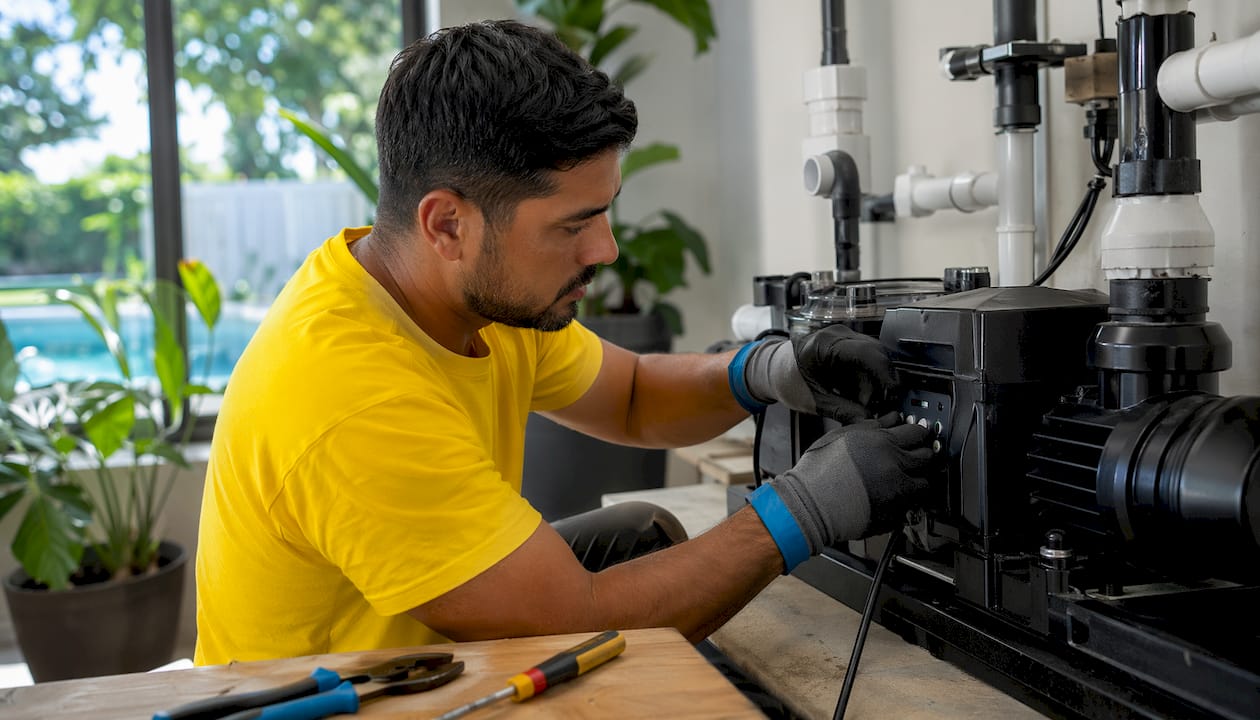
Installation adds to these figures. Professional electrical and plumbing work is required for anything beyond a basic timer, and labor costs vary by region and project complexity. For a full automation install on an existing pool, budget for additional wiring, conduit runs, and potential equipment upgrades like replacing a single-speed pump with a variable-speed model.
Ongoing maintenance costs are modest for most systems. Controllers and app interfaces rarely need servicing. Chemical feeders require periodic cleaning and tablet refills. The bigger long-term cost consideration is compatibility: if you mix equipment brands, you may face control conflicts or limited functionality down the road.
A realistic view of payback: for a simple pool with only a pump and filter, full automation rarely justifies its cost. The energy savings math only works when you have multiple systems (heater, water features, lighting) that benefit from coordinated control.
Is pool automation worth it for your home?
The honest answer depends on your pool’s complexity and your lifestyle, not on how impressive the technology sounds. Here’s how to think through the decision:
- Start with your pain points. If your biggest frustration is forgetting to turn the pump off or on, a $150 digital timer solves that completely. You don’t need a $5,000 system for a problem a $150 device fixes.
- Count your systems. A pool with a heater, water features, color lighting, and a spa benefits enormously from coordinated automation. A pool with just a pump and filter? A mid-tier controller is probably your ceiling.
- Factor in your lifestyle. Homeowners who travel frequently or manage rental properties get outsized value from remote monitoring and control. The ability to check your pool from a phone while you’re out of town is genuinely useful, not just a novelty.
- Check your existing equipment. Evaluating your current setup before buying automation is critical. If your pump is single-speed and aging, the smarter investment is replacing it with a variable-speed model first, then adding a controller.
- Consider incremental upgrades. You don’t have to automate everything at once. Start with a timer and a variable-speed pump. Add app control later. Full integration can come when you remodel or replace major equipment.
- Understand the limits. Automation handles scheduling and equipment control well. It does not replace human judgment for water chemistry. Even full systems with pH and ORP sensors still require you to test your water and make adjustments. The technology handles the routine; you handle the decisions.
Automation is an investment focused on convenience and optimizing routine tasks, not on eliminating all maintenance. That framing helps set realistic expectations and points you toward the tier that actually fits your needs.
Adding automation to an existing pool: what you need to know
Retrofitting automation onto an existing pool is absolutely feasible, but it requires more planning than installing it during a new build. The good news is that you have options at every budget level.
- Off-line chemical feeders are the easiest entry point. Devices like the Hayward CL-220 or Pentair’s Series #300 off-line feeder attach to your existing plumbing with hoses and injection fittings, requiring no permanent pipe cuts. They’re a practical way to automate chemical dosing without invasive work.
- Compatibility checks come first. Before buying any controller or automation hub, verify that your existing pump, heater, and lights are compatible. Mixing equipment brands can cause control conflicts; standardizing on a single brand ecosystem (Pentair, Jandy, or Hayward) gives you the most reliable unified control.
- Electrical scope differs from new construction. Retrofits often require running new conduit, adding a subpanel, or upgrading wiring to handle automation load. This is where professional assessment matters most, because the electrical work on an existing pool can be more complex than on a new build.
- Time and cost investment: A retrofit automation project typically takes longer and costs more per feature than building automation in from the start. Budget for the assessment, any equipment upgrades, and the installation labor separately.
- Maintenance implications: Retrofitted systems sometimes have more connection points and junction boxes than purpose-built installs, which means slightly more to inspect during annual maintenance checks.
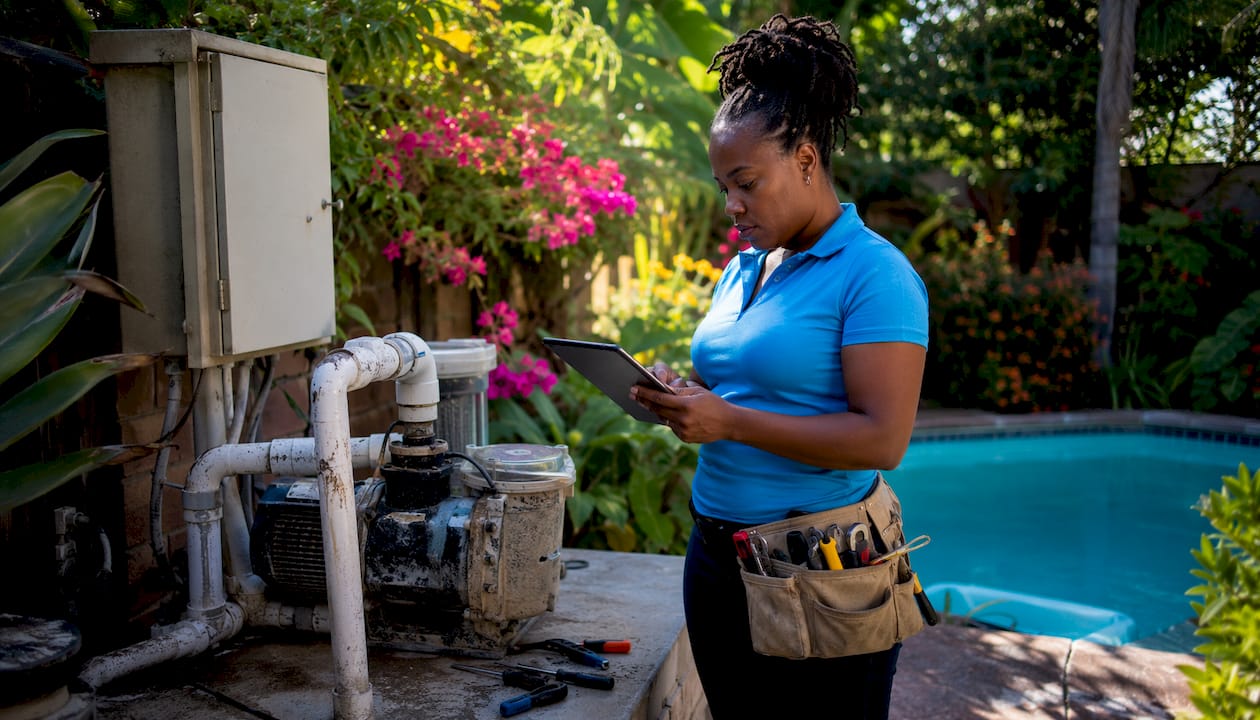
Pro Tip: Before committing to any retrofit automation plan, have a licensed pool professional assess your existing equipment and wiring. A one-hour consultation can save you from buying components that won’t work together or discovering mid-project that your electrical panel needs an upgrade.
Wefixuglypools works with homeowners across the Phoenix area on exactly these kinds of assessments, helping you figure out what’s worth adding to your current setup versus what makes more sense as part of a broader pool renovation.
Key Takeaways
Pool automation delivers the most value when matched to your pool’s actual complexity and your lifestyle needs, with a variable-speed pump and basic controller delivering the best return for most homeowners.
| Point | Details |
|---|---|
| Automation centralizes control | Pumps, heaters, lights, and chemical feeders can all be managed from one panel or smartphone app. |
| Variable-speed pump is the priority upgrade | Pairing a variable-speed pump with a mid-tier controller saves $400–$700 annually and pays back in 2–4 years. |
| Full automation suits complex pools | Multi-system pools with heaters, water features, and lighting benefit most; simple pump-and-filter pools rarely justify the cost. |
| Retrofitting is feasible but needs assessment | Off-line feeders and compatible controllers can be added to existing pools; a licensed professional should evaluate wiring and compatibility first. |
| Wefixuglypools supports automation integration | Wefixuglypools brings a decade of Phoenix-area pool experience to automation planning, retrofits, and full remodels. |
The feature that actually moves the needle
Most articles about pool automation spend a lot of time on the full-system dream: control everything from your phone, sensors adjusting chemistry automatically, your pool practically running itself. That picture isn’t wrong, but it leads a lot of homeowners to overspend on features they’ll rarely use.
Here’s the thing: the variable-speed pump is where automation actually earns its keep for the average homeowner. Not the app. Not the color-changing lights. The pump. Running a single-speed pump at full power for 12 hours a day is one of the most expensive habits in residential pool ownership, and a variable-speed pump with even a basic controller fixes that problem directly. The energy savings are real, the payback period is measurable, and the technology is mature enough that reliability isn’t a concern.
Full automation makes sense when you have a genuinely complex pool setup, when you travel frequently, or when you’re managing a rental property where remote oversight has real financial value. For the majority of homeowners with a standard pool and a heater, the mid-tier approach captures most of the benefit at a fraction of the cost.
One more thing worth saying plainly: automation does not replace water chemistry knowledge. The technology handles the schedule; you still need to understand what your pool’s water is telling you. Sensors can report pH and ORP levels, but deciding whether to adjust alkalinity or shock the pool after a heavy swim weekend still requires a human who knows what they’re looking at. The homeowners who get the most out of automation are the ones who treat it as a tool that handles the routine, not a substitute for understanding their pool.
Ready to add automation to your pool remodel?
If you’ve been weighing whether pool automation is worth the investment, the best next step is a conversation with someone who’s actually installed these systems, not just sold them. Wefixuglypools has spent a decade transforming pools across the Greater Phoenix area, and automation integration is a regular part of that work, whether it’s a full new build or a retrofit on an existing pool.
We bring the same hands-on approach to automation planning that we bring to every pool remodeling project: honest assessment of what your current setup can support, clear recommendations on which tier actually fits your lifestyle, and professional installation that meets Arizona’s electrical and plumbing standards. No upselling you to a full system when a mid-tier controller is the right answer. No guesswork on compatibility. Just experienced guidance from a team that’s done this hundreds of times.
If you’re in the Phoenix area and ready to talk through your options, reach out to Wefixuglypools for a consultation. You can also explore our custom pool services to see how automation fits into a broader pool upgrade or new build.