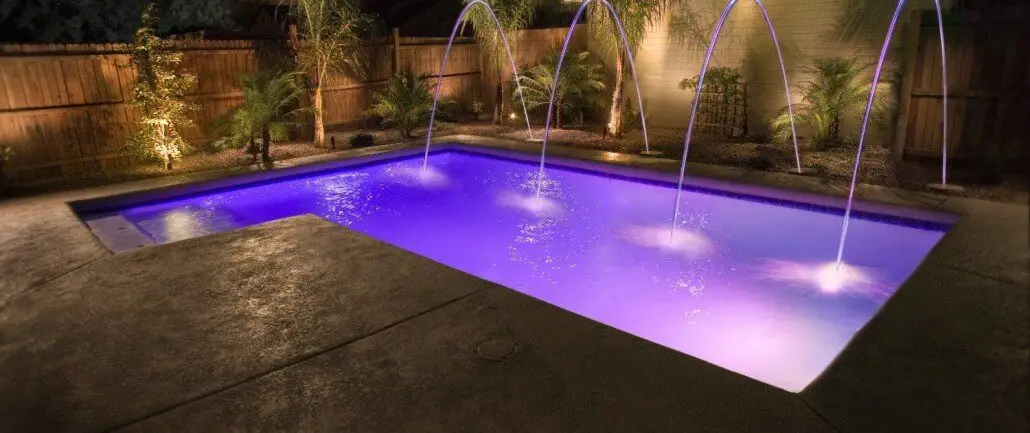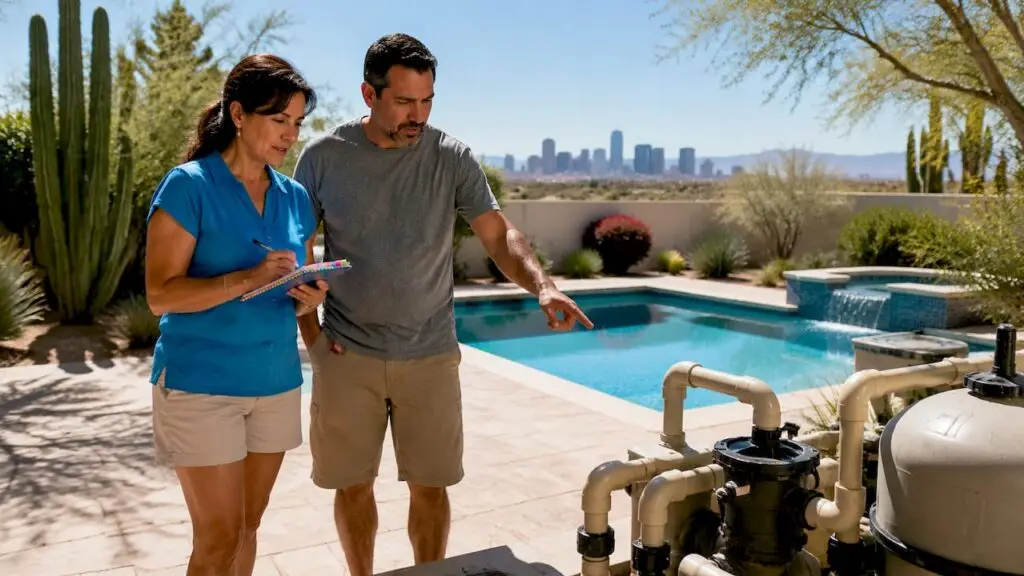
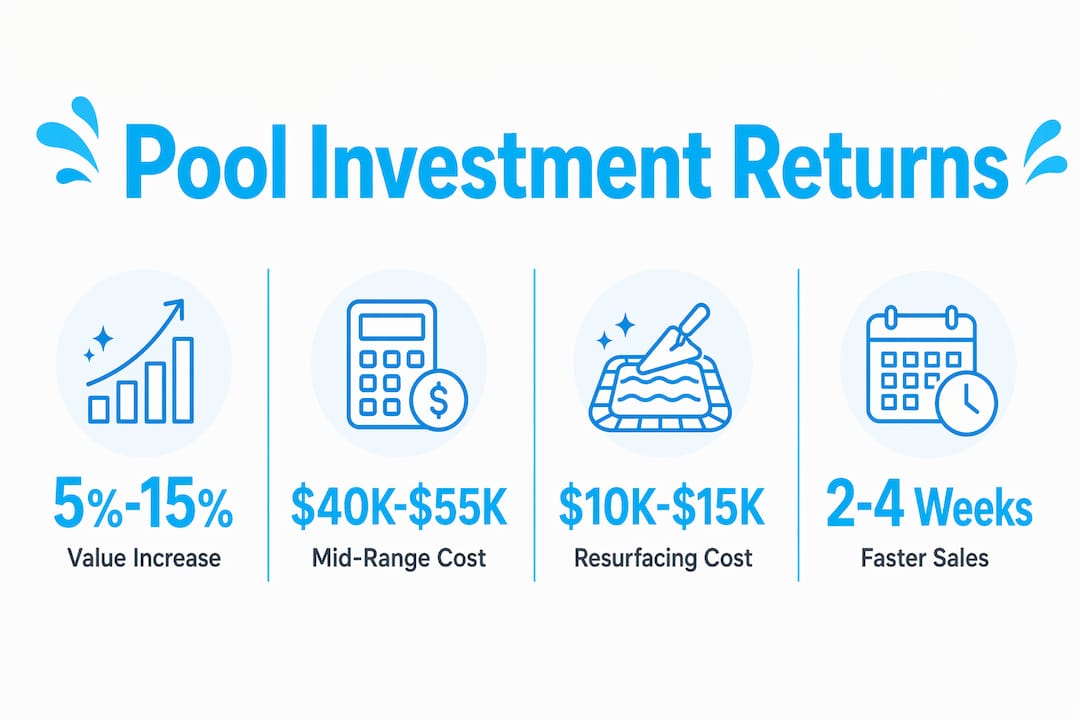
A well-maintained inground pool in Phoenix increases home value by 5% to 15%, making pool condition one of the most consequential factors in local real estate. The phoenix pool value impact is not automatic. It depends on what your pool looks like, how it functions, and where your home sits in the metro area. Phoenix’s year-round swim season shifts pools from a luxury add-on to a genuine financial asset, but only when the pool is in strong shape. This guide breaks down the numbers, the upgrades that matter, and the decisions that protect your investment.
How does pool condition influence home value and buyer appeal in Phoenix?
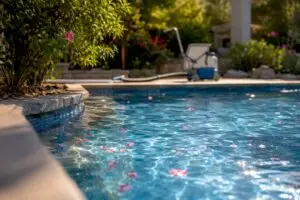
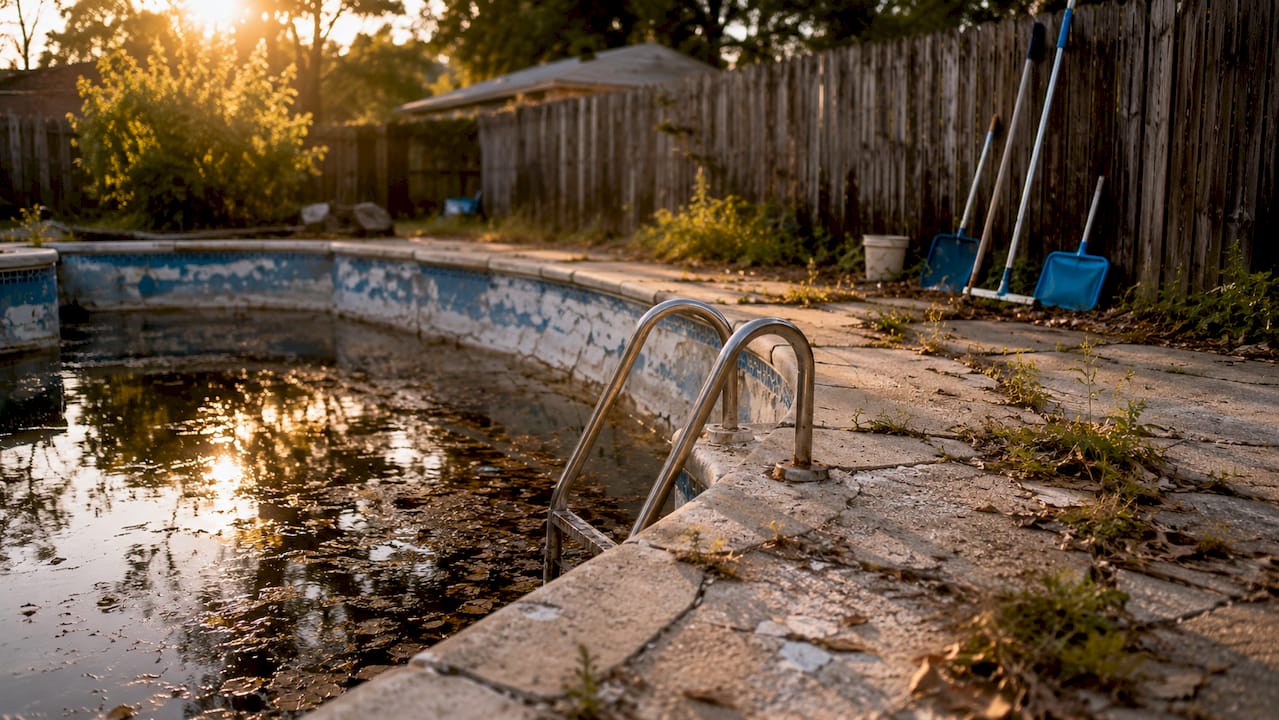
Pool condition signals overall home care to Phoenix buyers. Phoenix buyers view the backyard as the second most important room after the kitchen. A pool that looks clean, modern, and functional tells buyers the whole property has been cared for. A cracked deck, faded plaster, or outdated pump tells the opposite story.
Outdated or poorly maintained pools create real financial damage at the negotiating table. A tired or outdated pool often results in $40,000 or more in repair credits or price reductions. By contrast, spending $15,000 on cosmetic upgrades preserves your list price and speeds up the sale. That math is hard to ignore.
Modern finishes and automation also change how quickly your home sells. Homes with pools in Phoenix sell 2–4 weeks faster on average. Listings without pools, or with pools in poor condition, often require price cuts to compete. Buyers in Phoenix expect a pool that is ready to use, not a project they have to fix.
Key signs your pool is hurting rather than helping your home’s value:
- Faded or peeling plaster that makes the water look murky
- Outdated single-speed pumps that signal high operating costs
- Cracked coping or decking that raises safety concerns
- Broken or missing lighting that limits evening use
- Visible algae staining or calcium buildup on surfaces
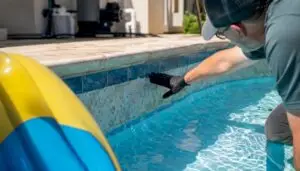
Pro Tip: Before listing your home, get a pool inspection. Buyers will order one anyway, and knowing your pool’s condition in advance lets you fix problems on your terms rather than conceding credits under pressure.
What is the typical cost versus value return of building or remodeling pools in Phoenix?
Pool investment returns in Phoenix depend heavily on what you spend and where you spend it. Mid-range gunite pool installations in Phoenix cost $40,000 to $55,000. Luxury remodels can exceed $150,000. Resurfacing and equipment updates run $10,000 to $15,000. Each tier carries a different return profile.
Here is how the numbers stack up across common pool investment scenarios:
| Investment Type | Typical Cost | Expected Value Impact |
|---|---|---|
| New mid-range gunite pool | $40,000–$55,000 | 5%–8% home value increase in standard suburbs |
| Luxury pool build or full remodel | $150,000+ | 10%–15% in Scottsdale or Paradise Valley |
| Resurfacing and equipment upgrade | $10,000–$15,000 | Preserves list price, reduces buyer credits |
| Cosmetic refresh (deck, coping, lighting) | $8,000–$20,000 | Faster sale, stronger offers |
The most important distinction in pool value analysis for Phoenix homeowners is lifestyle value versus resale value. A new pool built for your own enjoyment over ten years is a different calculation than a pool upgrade made six months before listing. Long swim seasons in Phoenix shift pools from luxury liabilities to genuine investments that create both lifestyle and financial value. That context matters when you are deciding how much to spend.
For homeowners planning to sell within the next few years, the priority order looks like this:
- Resurface the pool if the plaster is more than ten years old or visibly worn
- Replace single-speed pumps with variable-speed models to reduce operating costs buyers will ask about
- Update lighting to LED systems that work reliably and look modern
- Repair any structural cracks, coping damage, or deck issues before listing
- Add automation controls if the budget allows, since buyers respond well to app-controlled systems
Homeowners planning to sell within 3–5 years should focus on maintaining competitiveness through pool condition rather than expecting profit from expensive overhauls. A $12,000 resurfacing job that prevents a $40,000 buyer credit is not a cost. It is a return.
Which pool features and renovations deliver the strongest value impact in Phoenix real estate?
Surface finishes deliver the most reliable return of any pool renovation in Phoenix. Pebble Tech and quartz finishes hold up longer than standard plaster, look better in listing photos, and signal quality to buyers who know what they are looking at. A fresh surface transforms the visual impression of the entire backyard. It is the single upgrade that pays back most consistently.
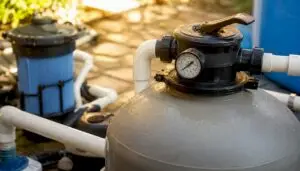
Modern equipment upgrades follow closely behind. Variable-speed pumps, LED lighting, and automated cleaning systems reduce operating costs and remove the friction buyers feel about pool ownership. When a buyer sees a pool with app-controlled automation, they see convenience rather than maintenance burden. That perception shift directly affects offer strength.
Structural additions like spas, waterfalls, and grottos are a different story. Lifestyle renovations like spas and waterfalls enhance enjoyment but typically yield less resale value than surface and equipment modernizations. They add appeal to buyers who want them, but they rarely return their full cost at sale. Build them for yourself, not for the next buyer.
Prioritizing upgrades based on your timeline:
- Selling within 1–2 years: Focus on resurfacing, equipment replacement, and deck repair. Skip structural additions entirely.
- Staying 5+ years: Add the spa or water feature if it improves your daily life. Pair it with surface and equipment updates to protect long-term value.
- Mid-range budget: LED lighting and a variable-speed pump together cost under $5,000 and visibly modernize the pool without major construction.
Pro Tip: Pebble Tech and quartz finishes cost more upfront than standard plaster but last significantly longer. If you are resurfacing before a sale, the premium finish photographs better and gives buyers one less thing to negotiate over.
You can explore custom pool features like lighting and automation that directly improve both usability and buyer perception.
How does pool value impact vary across Phoenix neighborhoods and home types?
Phoenix is not one market. It is a collection of submarkets with very different buyer expectations and value premiums. In warm states like Arizona, pools add 10%–15% or more to home values. But that range is not evenly distributed across every zip code.
| Submarket | Pool Value Premium | Buyer Expectation |
|---|---|---|
| Scottsdale and Paradise Valley | 10%–15% | Pool is expected; condition and features are scrutinized |
| Central Phoenix and Tempe | 5%–8% | Pool adds clear value; condition matters more than features |
| Suburban areas (Surprise, Gilbert, Chandler) | 5%–7% | Pool is a competitive advantage; absence requires price adjustment |
| Entry-level price points | 3%–5% | Pool adds appeal but buyers are more price-sensitive |
In Scottsdale and Paradise Valley, premium neighborhoods see value increases toward 10%–15%, while typical suburbs gain 5%–8%. The gap reflects buyer income levels, lifestyle expectations, and the quality of competing listings. A Scottsdale buyer comparing two homes will weigh pool features heavily. A buyer in a more affordable suburb cares more about whether the pool works and looks clean.
The competitive necessity of pools is real across most of Phoenix. Over 58% of Phoenix listings feature pools, making a pool a standard buyer expectation rather than a bonus. Homes without pools in pool-heavy neighborhoods face longer market times and more frequent price reductions. The pool is not just a feature. In many Phoenix zip codes, it is a baseline requirement.
For Scottsdale homeowners specifically, the stakes are higher. Buyers in that market compare pools the way buyers elsewhere compare kitchens. A dated pool in Scottsdale does not just reduce value. It creates doubt about the entire property. Wefixuglypools works specifically with Scottsdale homeowners on remodels that meet the expectations of that competitive market.
Key Takeaways
A well-maintained Phoenix pool adds 5%–15% to home value, but condition, location, and the right upgrades determine whether your pool helps or hurts your sale.
| Point | Details |
|---|---|
| Pool condition drives value | Outdated pools trigger $40,000+ in buyer credits; a $15,000 refresh preserves list price. |
| Surface finishes return the most | Pebble Tech and quartz resurfacing deliver reliable ROI and improve buyer perception. |
| Neighborhood shapes the premium | Scottsdale and Paradise Valley see 10%–15% gains; standard suburbs see 5%–8%. |
| Equipment upgrades reduce buyer friction | Variable-speed pumps and automation make pool ownership feel easy, not burdensome. |
| Sell timeline changes the strategy | Sellers within 1–2 years should skip structural additions and focus on condition and finishes. |
What I have learned after a decade of Phoenix pool transformations
After working on hundreds of pool remodels across the Phoenix metro, the pattern I see most often is homeowners who waited too long. They lived with a faded, cracking pool for years, then listed the home and got hit with a $40,000 repair credit they did not expect. The pool they thought was “fine” became the biggest negotiating point in the transaction.
The uncomfortable truth is that buyers do not see your pool the way you do. You have gotten used to the staining, the outdated tile, the pump that runs loud. A buyer walks in fresh and sees a project. That gap in perception costs real money.
What I tell every Phoenix homeowner is this: the pool does not need to be perfect, but it needs to look cared for. A clean, freshly resurfaced pool with working equipment and good lighting tells a buyer that you maintained your home. That confidence carries into their offer. A pool that looks neglected does the opposite, regardless of how the rest of the house shows.
The other mistake I see is over-investing in structural features right before a sale. A homeowner spends $60,000 on a spa and waterfall, then lists six months later and gets no premium for it. Buyers in that price range either already have those features or do not value them enough to pay more. Spend that money on surfaces and equipment if you are selling soon. Save the spa for when you plan to enjoy it for five years first.
My honest advice: treat your pool like a kitchen. Keep it updated, keep it clean, and address problems before they become buyer objections. The pools and home value relationship in Phoenix is real, but it only works in your favor when the pool is in good shape.
— Brian
Ready to maximize your pool’s value? Wefixuglypools can help.
If your pool is showing its age, the cost of doing nothing is higher than most homeowners realize. Wefixuglypools has spent a decade transforming outdated, worn-out pools across the Greater Phoenix area into assets that buyers notice and value. From resurfacing and equipment upgrades to full pool remodeling and restoration, we build solutions around your timeline and goals.
Whether you are preparing to sell or simply want a pool that works and looks great, our team brings the experience to get it right. We serve homeowners across Phoenix, Scottsdale, Surprise, and the surrounding communities. Contact Wefixuglypools today to talk through your options and get a clear picture of what your pool needs.
FAQ
Does a pool increase home value in Phoenix?
A well-maintained inground pool increases Phoenix home value by 5%–15%, depending on neighborhood and condition. Premium areas like Scottsdale and Paradise Valley see the higher end of that range.
How much does pool resurfacing cost in Phoenix?
Resurfacing and equipment updates typically run $10,000–$15,000 in Phoenix. That investment often prevents $40,000 or more in buyer repair credits at the time of sale.
Do homes with pools sell faster in Phoenix?
Homes with pools in Phoenix sell 2–4 weeks faster on average. Listings without pools or with pools in poor condition frequently require price reductions to attract competitive offers.
Which pool upgrades add the most resale value?
Surface finishes like Pebble Tech and smart equipment upgrades like variable-speed pumps and LED lighting deliver the most reliable resale value. Structural additions like spas and waterfalls add lifestyle appeal but rarely return their full cost at sale.
Is a pool necessary to sell a home in Phoenix?
Over 58% of Phoenix listings include a pool, making it a standard buyer expectation in most neighborhoods. Homes without pools in pool-heavy areas face longer market times and more frequent price reductions to compete.