Pool plaster lifespan explained simply: standard white plaster lasts between 5 and 12 years under real-world conditions, with most homeowners planning a replaster every 7 to 10 years. The industry term for this surface is cement-based plaster, and it covers the interior shell of your pool to hold water and provide a finished look. How long it actually lasts depends on three things: water chemistry, the type of finish you chose, and how consistently you maintain it. Get those three right, and you can push well past the average. Ignore them, and you may be calling a contractor years ahead of schedule.
What factors affect pool plaster lifespan?
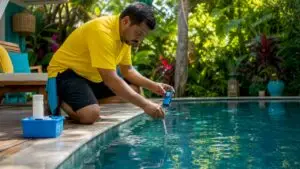
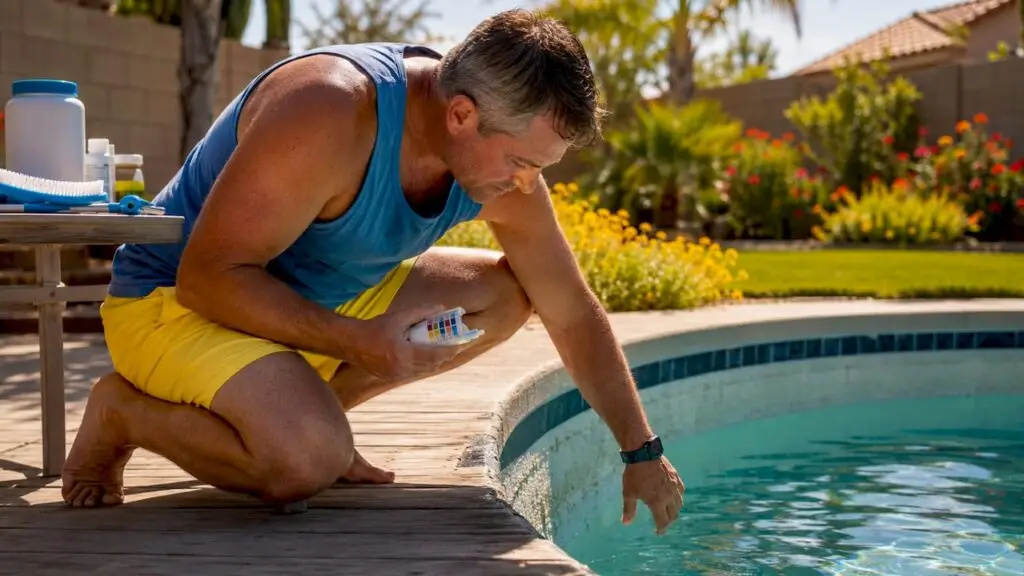
Water chemistry is the primary driver of how long your plaster survives. Both low and high pH cause chemical reactions that eat into the plaster surface. The damage is invisible at first, but it compounds over time.
The ideal chemical ranges for cement-based plaster are specific:
- pH: 7.2–7.6
- Total alkalinity: 80–120 ppm
- Calcium hardness: 200–400 ppm
Staying inside these ranges slows etching and scaling, which are the two main chemical threats to plaster. Etching happens when water is too aggressive and pulls minerals out of the surface. Scaling happens when water is oversaturated and deposits minerals onto it.
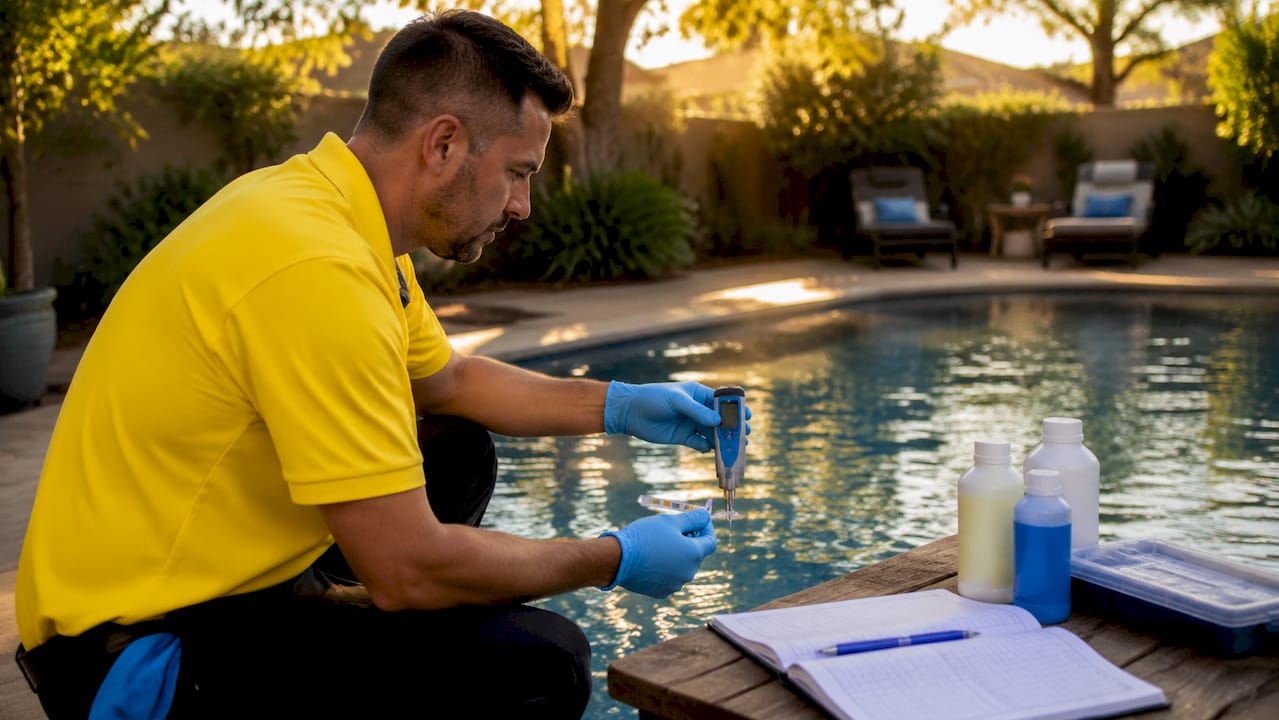
Calcium hardness is the most overlooked part of this equation. Low or high calcium hardness makes water either corrosive or scale-forming, both of which accelerate wear. Most homeowners test pH and chlorine regularly but skip calcium hardness testing entirely. That gap shortens plaster life faster than almost anything else.
Environmental conditions also play a real role. Pools in Phoenix and the Greater Phoenix area face intense UV exposure and extreme summer heat. Those conditions stress the plaster surface and can cause micro-cracking over time. Pools in colder climates face freeze-thaw cycles that expand and contract the shell, creating similar stress.
Usage patterns matter too. A residential pool used by a family of four behaves very differently from a pool used for swim lessons or short-term rentals. Higher bather loads introduce more body oils, sunscreen, and organic matter, which all affect water chemistry and accelerate surface wear.
Pro Tip: Brush your pool walls two to three times per week. Brushing prevents calcium deposits from bonding to the surface and keeps early-stage scaling from hardening into a permanent problem.
Consistent pool maintenance practices like brushing, regular water testing, and prompt chemical corrections are the most cost-effective way to extend your plaster’s service life.
How do different pool plaster types compare in lifespan?
Not all pool coating options are equal. The finish type you select at installation sets a ceiling on how long your pool surface can realistically last, regardless of how well you maintain it.
| Finish Type | Typical Lifespan | Relative Cost | Stain Resistance |
|---|---|---|---|
| Standard white plaster | 7–12 years | Lowest | Low |
| Colored plaster | 7–12 years | Low to moderate | Low to moderate |
| Quartz aggregate | 12–18 years | Moderate | Good |
| Pebble finish | 15–25 years | Highest | Excellent |
These lifespan ranges by finish type reflect real-world performance under average maintenance conditions. A pebble finish that lasts 20 years costs more upfront but spreads that cost over a much longer period.
Standard white plaster is the most common choice because it costs the least at installation. In 2026, standard plaster resurfacing runs roughly $6,000 to $8,500 for a typical residential pool. Pebble finishes typically run $10,000 to $14,000 for the same pool. That price gap looks large until you factor in that pebble can last twice as long.
Quartz aggregate finishes sit in the middle ground. They blend crushed quartz into the plaster mix, which creates a harder, denser surface that resists etching better than standard plaster. The texture is slightly rougher, which some homeowners dislike, but the durability gain is significant.
Pebble finishes use small river pebbles or glass beads mixed into the surface layer. The result is a highly textured surface that is nearly impervious to chemical etching and staining. The tradeoff is that the rough texture can feel abrasive on bare feet, particularly for young children.
A few other points worth knowing about pool surface lifespan by finish type:
- Colored plaster fades over time, especially in high-UV environments like Arizona. Fading is cosmetic but often drives early replastering decisions.
- Quartz and pebble finishes hold their color far better than standard plaster.
- All cement-based finishes, regardless of type, require the same water chemistry discipline to reach their maximum lifespan.
What are the signs your pool plaster needs replacing?
The earliest sign of plaster deterioration is roughness. When the surface starts to feel like sandpaper underfoot, the plaster has already begun to lose surface density due to etching. At that stage, the damage is irreversible. Superficial patching will not restore the surface integrity.
Watch for these specific signs of pool plaster damage:
- Roughness or pitting: The surface scratches feet and catches debris. This is the most common early warning.
- Persistent staining: Stains that resist brushing and chemical treatment indicate the plaster has become porous.
- Discoloration or fading: Uneven color, gray patches, or brown streaking signal chemical wear or algae penetration.
- Visible cracks or chips: Small cracks can allow water to seep behind the plaster shell, leading to structural issues.
- Algae that returns immediately after treatment: Porous plaster traps algae spores in microscopic pits, making it nearly impossible to maintain clean water.
Early plaster damage makes cleaning harder and creates ideal conditions for algae growth. Addressing wear early costs far less than waiting for full structural deterioration.
The risk of delaying replastering goes beyond aesthetics. Cracked or delaminated plaster can allow water to reach the gunite or shotcrete shell underneath. Once moisture penetrates the shell, you face a much more expensive structural repair rather than a straightforward resurfacing job.
Pro Tip: Run your hand along the pool floor and walls every few weeks. If you feel rough patches forming, get a water chemistry test done immediately. Catching an imbalance early can stop etching before it becomes visible damage.
Knowing when to replace pool plaster rather than patch it is a judgment call that depends on how widespread the damage is. Isolated chips or stains can often be spot-repaired. Widespread roughness, cracking, or delamination means it is time to resurface.
What should you expect during the replastering process?
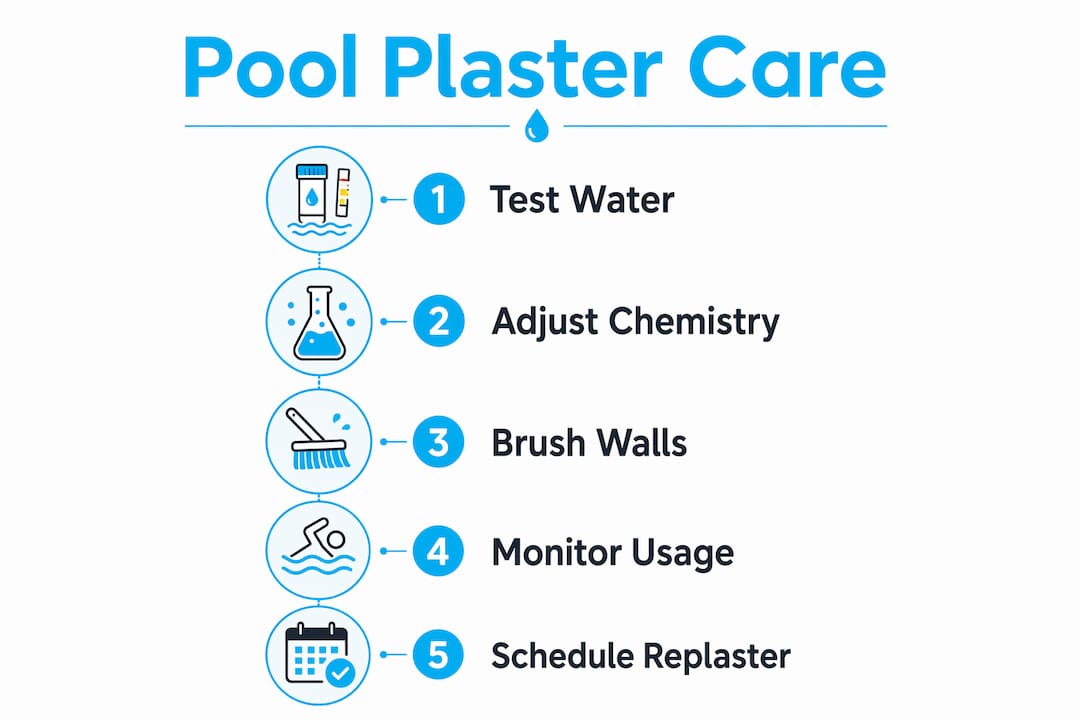
Replastering a pool is a multi-step process that takes longer than most homeowners expect. The active work period runs 5 to 14 days, covering draining, surface preparation, plaster application, and initial filling. But the total timeline before you can swim again is closer to 28 days.
Here is what the process looks like from start to finish:
- Drain the pool completely. The existing plaster surface is exposed and inspected for structural issues.
- Prepare the surface. Old plaster is chipped away or acid-washed. Any cracks in the shell are repaired before new plaster goes on.
- Apply the new plaster. A crew applies the plaster mix by hand or machine in a single continuous session. Stopping mid-application creates seams that fail early.
- Fill the pool immediately. Water goes in right after application to prevent the plaster from drying unevenly.
- Begin the startup protocol. This is the most critical phase. For the first 28 days, water chemistry must be tested and adjusted daily or every other day.
- Brush the new surface daily. Brushing removes plaster dust and prevents calcium nodules from bonding to the fresh surface.
The curing and startup phase is where the final lifespan is effectively locked in or lost. Rushing chemical balancing during this window, or skipping daily brushing, creates surface defects that cannot be corrected later. A plaster job that should last 12 years can be reduced to 6 years by a poor startup.
Pool resurfacing in Phoenix follows the same process, but the hot climate adds a layer of complexity. High ambient temperatures cause plaster to cure faster, which means the startup window is even more time-sensitive than in cooler regions.
Budget planning should account for the full cost range. Standard plaster resurfacing runs $6,000 to $8,500. Upgrading to a pebble finish at $10,000 to $14,000 makes financial sense when you factor in the longer lifespan and reduced replastering frequency over a 25-year ownership period.
Key Takeaways
Pool plaster lifespan depends most on water chemistry, finish type, and startup protocol, with standard plaster lasting 7–12 years and premium pebble finishes lasting up to 25 years under proper care.
| Point | Details |
|---|---|
| Standard plaster lifespan | White plaster lasts 7–12 years; pebble finishes can reach 15–25 years with proper care. |
| Water chemistry is critical | Maintain pH 7.2–7.6, alkalinity 80–120 ppm, and calcium hardness 200–400 ppm to prevent etching. |
| Startup protocol matters | The first 28 days after replastering lock in or reduce the plaster’s expected lifespan. |
| Early signs require action | Roughness, pitting, and persistent staining signal irreversible damage that worsens without intervention. |
| Finish type affects total cost | Higher-cost finishes like quartz and pebble last longer and reduce the frequency of replastering. |
What I have learned after years of watching pools age
The single biggest mistake homeowners make is treating water chemistry as a seasonal task rather than a weekly one. I have seen pools with beautiful pebble finishes deteriorate in eight years because the owner tested the water once a month and adjusted chemicals in large, reactive doses. That approach creates chemical swings that stress the plaster far more than steady, small corrections would.
The second mistake is underestimating the startup period. Homeowners get excited to swim after a replaster and push back on the 28-day curing protocol. Skipping even a week of daily brushing and chemistry checks during that window creates microscopic surface defects that compound over years. The plaster looks fine at first. The problems show up at year four or five, and by then the connection to the startup is long forgotten.
My honest recommendation: if you are choosing between standard plaster and quartz for a pool you plan to own for more than ten years, choose quartz. The price difference is modest compared to the cost of replastering two years earlier than you needed to. And if you are in a high-use situation, such as a vacation rental or a home with teenagers, go straight to pebble. The durability difference is real and measurable.
The homeowners who get the most out of their plaster are the ones who treat routine pool care as a non-negotiable weekly habit, not a chore they get to when they have time. That consistency is the single most reliable predictor of whether a pool hits the top of its lifespan range or falls short of it.
— Brian
Ready to resurface your pool the right way?
At Wefixuglypools, we have spent over a decade transforming worn-out pools across the Greater Phoenix area. We specialize in replastering and resurfacing with every finish type, from standard white plaster to premium pebble, and we follow strict startup protocols on every job.
Whether your pool is showing early signs of wear or is well past its service life, our team can assess the surface, recommend the right finish for your usage and budget, and handle the entire process from drain to swim-ready. We serve homeowners and property managers throughout Phoenix, Scottsdale, Surprise, and surrounding communities. Contact Wefixuglypools today for a free consultation and project estimate.
FAQ
How long does pool plaster typically last?
Standard white plaster lasts 5–12 years, with most homeowners replastering every 7 to 10 years. Quartz finishes extend that range to 12–18 years, and pebble finishes can last 15–25 years.
What shortens pool plaster lifespan the most?
Imbalanced water chemistry is the leading cause of premature plaster wear. Low pH makes water corrosive, while high calcium hardness causes scaling, and both conditions accelerate surface deterioration.
Can you patch pool plaster instead of replastering?
Spot patching works for isolated chips or small cracks. Widespread roughness, pitting, or delamination across the surface requires full pool resurfacing rather than patching.
How do I know when it is time to replaster?
Roughness underfoot, persistent algae, staining that does not respond to chemicals, and visible cracks are the clearest signs. If multiple symptoms appear together, replastering is the right call.
Does the startup process really affect how long plaster lasts?
Yes. Proper startup and curing over the first 28 days after application directly determines the plaster’s long-term durability. Skipping daily brushing or rushing chemical balancing during this window shortens the expected lifespan significantly.