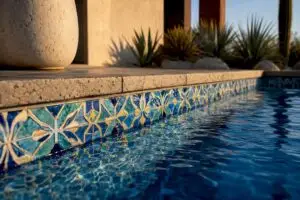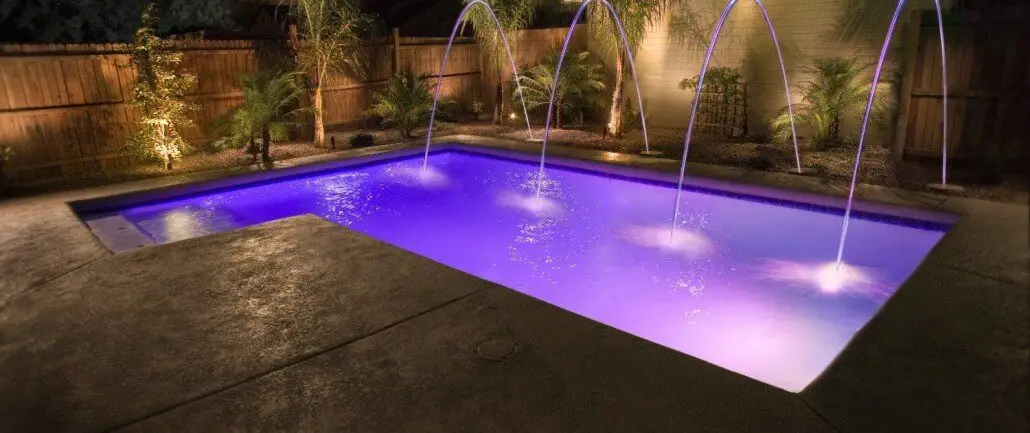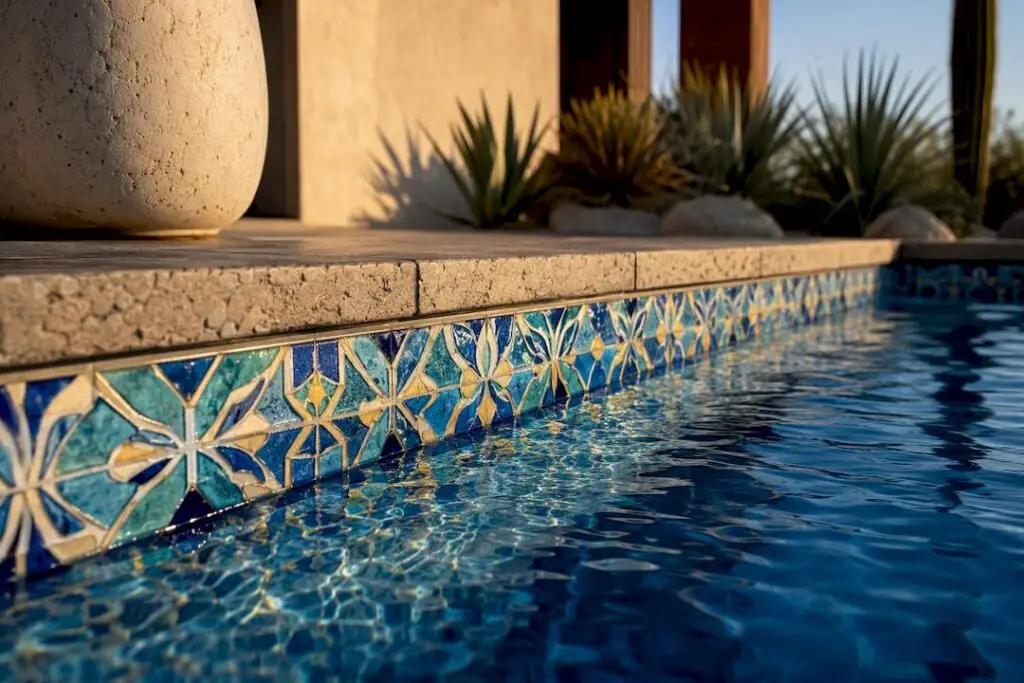
Pick one hero area for your mosaic tile budget and spend well there before touching anything else. Glass mosaic delivers the most visual depth for that hero spot, especially on the waterline or spa, while porcelain covers the rest of the pool with nearly the same look for a fraction of the cost. Keep the pattern to one focal band. Everything else in this guide builds out from that single decision.
TL;DR:
- The waterline tile is the most impactful and affordable spot to invest in a premium mosaic, ideally in glass for depth and shimmer.
- Prioritize a single focal area, such as the waterline or spa, with the rest of the pool finished in porcelain or less costly materials to maximize visual impact.
- Use darker, more saturated jewel tones like sapphire or emerald for lasting color underwater and limit pattern complexity to one main feature.
- Confirm submersible tile products, particularly paper-mounted sheets, and use pool-rated adhesives and grout to prevent tile failures over time.
- Budget for full-shell mosaic only if the entire surface is a focal point, as this approach significantly increases costs compared to targeted, strategic tile placement.
Table of Contents
- Pool Mosaic Tile Ideas Worth Copying in 2026
- Choosing a Tile Material That Matches Your Design Goals
- Color and Pattern Trends for 2026 (and Why They Read Differently Underwater)
- Where to Spend: Waterline, Steps, Spa, and Small Accents
- Budgeting Your Mosaic Tile Project
- Installation and Maintenance: What Actually Fails Underwater
- Why We Fix Ugly Pools® Treats the Waterline Like Jewelry
- Ready to Tile? Here’s How We Fix Ugly Pools® Can Help
- Sources
- FAQ
Pool Mosaic Tile Ideas Worth Copying in 2026
If you only remember one principle from this list, make it this: pick a hero location, then commit fully to it instead of spreading a modest budget across five different tile moments. Here are ten ways homeowners are doing that right now.
- Monochrome deep-blue glass waterline. A single, saturated cobalt or navy glass band around the entire waterline reads as intentional and expensive, even at a standard six-inch height.
- Ombré gradient glass band. Blending three or four shades of blue or teal, light at the top and dark at the bottom, gives a custom, water-inspired look that off-the-shelf single-color tile can’t match.
- Geometric tessellation on a wideband. Widening the waterline to 12 to 18 inches gives you enough room for chevrons, herringbone, or hexagonal repeats that feel deliberate rather than like an afterthought.
- Penny-round or hex steps with contrasting nosing. Small-format round or hexagonal tile on step treads, paired with a darker or lighter nosing edge, improves both style and footing visibility.
- Fully tiled spa or spillway. Because a spa is small, tiling the entire shell in glass mosaic is realistic on almost any budget and turns it into the pool’s visual centerpiece.
- A small underwater medallion or mural. A compass rose, sea-life motif, or abstract design set into the pool floor gives the space personality without the cost of tiling the whole basin.
- Mixed-material borders. Framing a pebble or plaster interior with a narrow tile band, or edging a tile waterline with natural stone coping, adds texture contrast for relatively little material cost.
- Iridescent or metallic accent tiles. A handful of shimmering, color-shifting tiles worked into a waterline band catch light differently depending on the viewing angle and time of day.
- Glow-in-the-dark Fosfo nosing. Fosfo tile absorbs daylight and releases a soft glow after dark, which means step edges stay visible at night without relying entirely on pool lighting.
- Full-body monochrome tile. Skipping plaster entirely and tiling the whole shell in one matte or satin color produces a minimalist, almost architectural look, though it’s the most expensive route on this list.
Most of these ideas work in combination. A deep-blue glass waterline paired with Fosfo step nosing and a mixed pebble-and-tile border, for example, hits three trend points without requiring a full-shell tile job.
Choosing a Tile Material That Matches Your Design Goals
Material choice decides both the look and the long-term cost of your project. Each family behaves differently underwater, and the differences matter more than most homeowners expect.
- Glass: Light passes into and through glass mosaic, creating a sense of depth no other material replicates, and it’s nonporous and chemically resistant as well. It carries a premium price, which is exactly why it belongs on a small, high-visibility surface like the waterline or spa.
- Porcelain and ceramic: These materials are versatile, tough, and frost-rated, delivering most of the visual payoff of glass for far less money. They’re the practical choice for anything beyond the hero band, including full-perimeter waterlines on larger pools.
- Natural stone: Stone brings warmth and texture that manufactured tile can’t fake, but it needs sealing and careful slip-rating, since wet stone can turn slick fast around steps and decks.
- Specialty finishes: Iridescent, metallic, matte, and Fosfo glow tiles all carry a cost bump over standard glass or porcelain, but each solves a specific design problem, whether that’s nighttime drama or daytime shimmer.
Pro Tip: Don’t mix more than two finish types in one pool. A glossy glass waterline and a matte accent wall can look intentional; five different finishes usually looks like leftover samples.
Color and Pattern Trends for 2026 (and Why They Read Differently Underwater)
Deep blues, jewel greens, dark charcoals, and iridescent color shifts dominate the 2026 pool tile trend reports, a clear move away from the pale aqua tones that dominated pool design for decades. Water and sky both wash color out, so a tile that looks rich on a sample board can read washed out once it’s submerged and lit by afternoon sun.
That’s why we generally recommend going one or two shades darker or more saturated than your instinct tells you.
- Choose jewel tones (emerald, sapphire, amethyst) over pastel equivalents for more staying power underwater.
- Reserve pattern complexity for one location only, typically the waterline, and keep steps, spa, and accent walls simple so they don’t compete visually.
- Glossy and iridescent finishes reflect light and pool movement; matte finishes reduce glare but also soften the shimmer effect that makes glass mosaic worth the price.
- Textured stone or heavily grouted mosaic increases slip resistance on steps but can dull the reflective quality that makes accent tile pop.
Where to Spend: Waterline, Steps, Spa, and Small Accents
Not every square foot of your pool deserves the same tile budget. Some locations return far more visual impact per dollar than others, and knowing which ones lets you spend confidently instead of guessing.
- The waterline. This band is what people actually see from the deck, patio, or a lounge chair, and it uses surprisingly little material. A six-inch waterline on a standard 16 by 32 foot pool covers roughly 48 square feet, which is why premium glass mosaic here is affordable even on a tight budget. Widening that band to 12 or 18 inches costs modestly more but opens up pattern options that a narrowband simply can’t hold.
- Steps and nosing. A contrasting tile edge, or a Fosfo glow strip, improves nighttime visibility and gives your steps a finished, deliberate look rather than an afterthought.
- Spa and spillway. Because these areas are small, a full mosaic treatment is realistic on most budgets and turns the spa into a genuine focal point rather than a plain shell.
- Medallions and murals. Reserve custom art for a spot people actually look at, like the pool floor near the shallow end, and commission it only after your waterline and spa budgets are locked in.
Pro Tip: Think of the waterline as jewelry for the pool. You wouldn’t put a diamond ring on every finger, and you don’t need premium tile on every surface either.
Budgeting Your Mosaic Tile Project
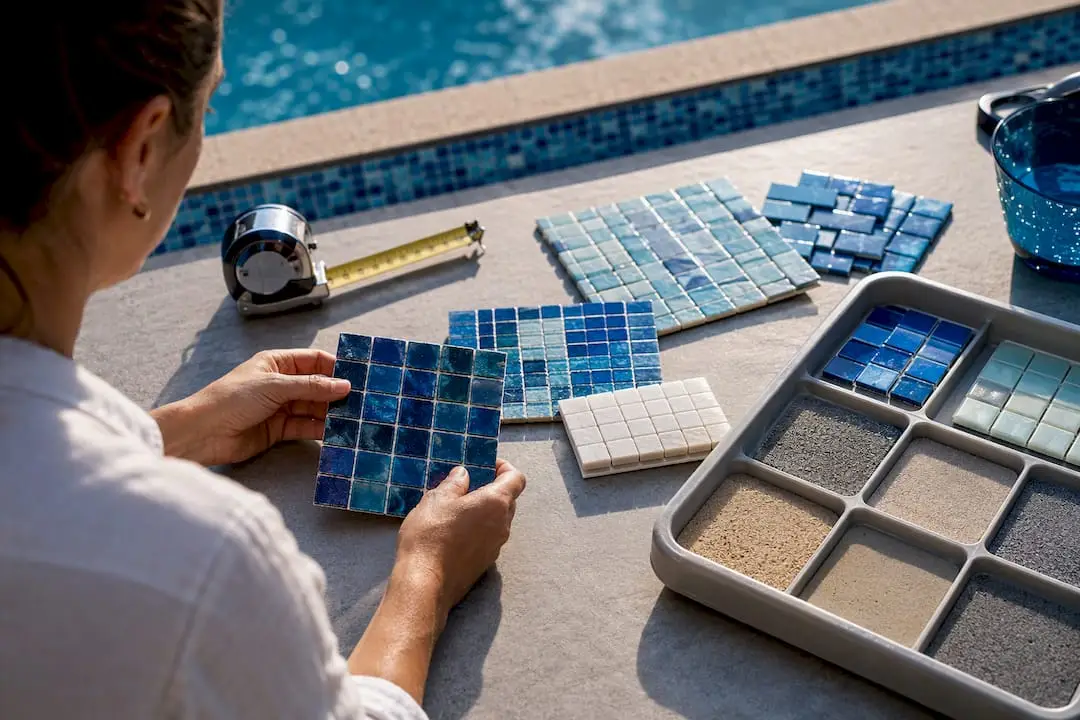
Glass mosaic generally costs more, porcelain is moderately priced, and natural stone varies widely depending on the species and finish you choose. Themed motifs and blended sheets can push costs higher still once customization enters the picture.
The math behind splurging on the waterline is simple: at roughly 48 square feet for a typical six-inch band, even premium glass mosaic stays affordable, while covering the entire pool shell in that same material would multiply the cost many times over.
- Use glass on the waterline and spa; switch to porcelain for steps, decks, and any full-body tile work.
- Phase the project if needed. Tile the waterline and spa now, add accent murals or a second tiled area later.
- Ask about line-item cost breakdowns before committing so you know exactly where labor and material costs land.
- Custom mosaics and hand-set medallions carry an installer skill premium; experienced crews charge more because misaligned or poorly grouted mosaic is expensive to fix later.
Installation and Maintenance: What Actually Fails Underwater
Not every mosaic sheet on the market is rated for submersion, and this is where a lot of DIY tile jobs go wrong. Manufacturers specify which mounting systems and product lines are submersible, and paper-mounted sheets are typically the correct choice for glass mosaic below the water’s surface, since mesh backing can trap moisture and adhesive residue against the tile.
- Confirm the manufacturer’s submersion rating before buying any mosaic sheet, mesh or paper mounted.
- Use adhesives and grout specifically rated for pool submersion; standard interior tile products aren’t built for constant water and chemical exposure.
- In freeze climates, skip non-frost-proof stone or ceramic, since freeze-thaw cycles are a common cause of cracked and popped tile.
- Keep pool chemistry balanced. Chlorine and pH swings degrade grout faster than the tile itself in most failures.
Pro Tip: If tiles are popping off in the same area repeatedly, the problem is almost always the substrate or adhesive, not the tile itself. Patching the same spot twice usually means it’s time to call a pro.
Why We Fix Ugly Pools® Treats the Waterline Like Jewelry
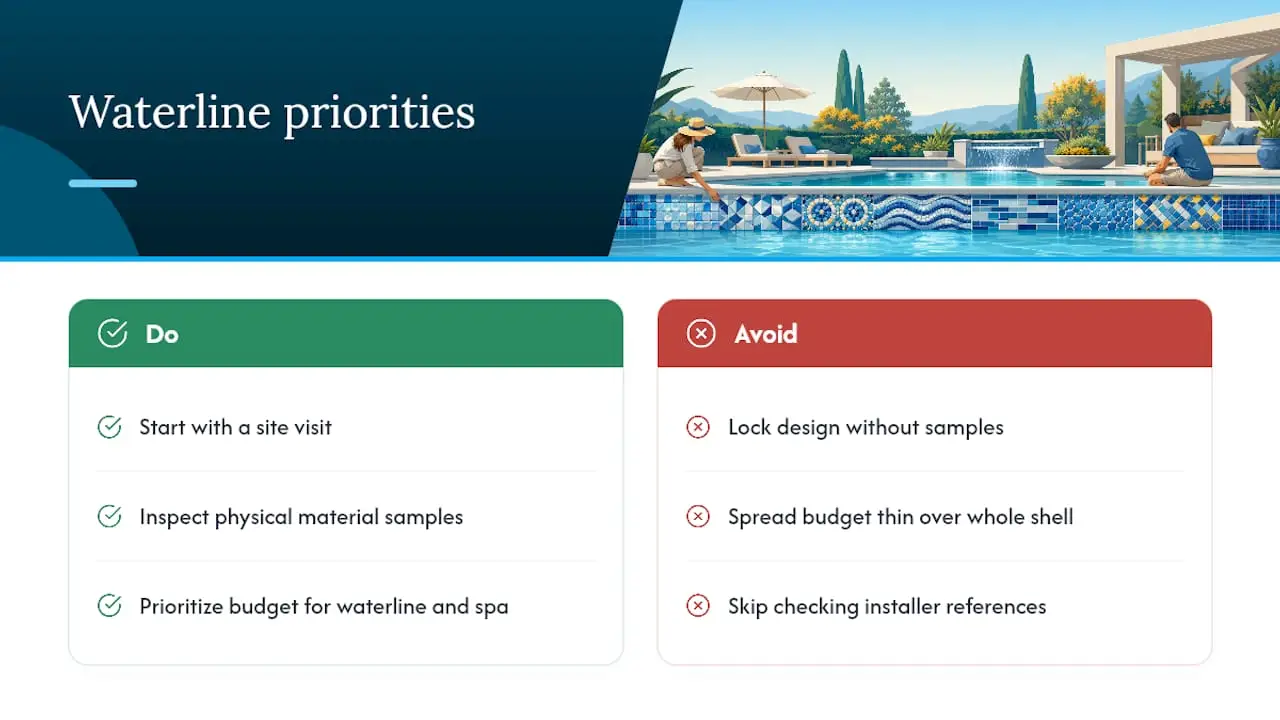
We’ve spent a decade turning tired Phoenix-area pools into finished, photo-ready backyards, and the waterline is where that transformation shows up fastest. A glass mosaic band or a fully tiled spa doesn’t require a blank-check budget. It requires spending in the right place first.
We’d recommend starting with a site visit and a look at physical material samples before locking in any design, glass or porcelain. Ask about installer references, especially for custom mosaic or mural work, since experience shows up in grout lines and tile alignment years down the road. A modest budget stretched across the waterline and spa almost always outperforms the same money spread thin across an entire pool shell.
— Brian
Ready to Tile? Here’s How We Fix Ugly Pools® Can Help
Wefixuglypools is the direct alternative to guessing your way through a tile project alone. Instead of piecing together a mosaic job from online tutorials and hoping the adhesive holds, you get a local team that handles pool tile replacement, custom feature installs, and full remodels from design through final grout line.
We built a line-item pricing guide for tile replacement so you know roughly what a waterline splurge or a full-shell job costs before you ever pick up the phone. Whether you’re chasing a monochrome glass waterline, a Fosfo-lit step edge, or a full custom mosaic mural on the pool floor, our pool remodeling and restoration team can walk your existing pool, talk through material samples, and give you a real quote. Request a quote today and find out what your hero area actually costs to do right.
Sources
- Pool Tile Ideas: Waterline, Glass & Mosaic Tile Guide | PoolPad
- Submersible Pool Tile | Daltile
- Pool Mosaic Tile Designs for 2026: Colors, Textures & Trending Materials for Luxury Pools
- Pool Tile Ideas for 2026: Waterline, Steps, Full-Body, and Custom Mosaic Designs – Modern Pool Tools
- Pool Mosaics
FAQ
What are some good mosaic tiles for swimming pools?
Glass mosaic is the top choice for waterlines, spas, and accent bands because of its depth and shimmer, while porcelain mosaic works well for larger areas since it delivers a similar look at a lower cost per square foot.
What are the current pool tile trends?
2026 favors glass mosaic, iridescent and metallic finishes, wider 12 to 18 inch waterline bands that allow pattern repeats, and darker jewel-tone palettes over the pale blues of past decades.
What are some easy mosaic ideas for beginners?
A monochrome glass waterline band, a fully tiled spa shell, or contrasting penny-round tile on step nosing are all achievable projects that don’t require complex pattern work or custom mural design.
What are the disadvantages of mosaic tiles?
Mosaic tile can be slippery when a smooth glossy finish is used on steps, grout lines require regular cleaning to prevent staining, and using the wrong mounting system or a non-frost-proof material underwater can cause tiles to pop off or deteriorate over time.