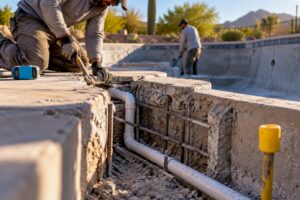
A pool safety fence is defined as a physical barrier specifically designed to prevent unsupervised access to a swimming pool, and it is the single most effective tool for preventing accidental child drowning at home. When you install a pool safety fence correctly, you satisfy local building codes, protect your family, and add measurable value to your property. This guide covers legal requirements, material choices, installation steps, and maintenance so you can make confident decisions from the start.
What are the legal requirements for pool fencing code?
Pool fencing code sets the minimum standards your fence must meet before a local inspector will approve it. Getting these details right before you buy materials saves you from costly rework.
Most U.S. jurisdictions require a minimum fence height of 48 inches, while California and Arizona require 60 inches. That extra height matters because taller fences are significantly harder for young children to scale. Gaps between vertical fence members must stay under 4 inches. Any gap wider than that allows a small child to squeeze through or get a foothold.
Gate requirements are equally strict. Every gate must:
- Open outward, away from the pool
- Self-close from any open position
- Self-latch without human assistance
- Have the latch positioned on the pool side, out of a child’s reach
Isolation fencing separates the pool from the house and yard specifically. It is the safest and most code-compliant approach. A standard backyard perimeter fence does not qualify in most jurisdictions because children can still reach the pool from inside the yard. Many local codes require isolation fencing by name, so check your municipality’s rules before planning your layout.
Pro Tip: Call your local building department before purchasing any materials. Ask specifically whether your jurisdiction requires isolation fencing or whether a perimeter fence qualifies. This one call can save you hundreds of dollars.
What materials are best for pool safety and durability?
Material choice determines how long your fence lasts, how much maintenance it needs, and how well it blends with your yard. Each option has real trade-offs worth knowing before you commit.
| Material | Safety Rating | Maintenance | Best Climate |
|---|---|---|---|
| Mesh | High | Low | All climates |
| Aluminum | High | Low | Humid and coastal |
| Vinyl | Moderate | Very low | Hot and dry |
| Wood | Moderate | High | Mild, dry climates |
Mesh fences are removable, climb resistant, and give you clear sight lines to the pool at all times. They are the most popular choice for families with young children because you can take them down when kids are grown and reinstall them for visits from grandchildren.
Aluminum fences are durable, rust resistant, and available in styles that complement most home designs. 316L marine-grade stainless steel and high-impact polymers perform best in saltwater environments and intense sun, respectively. That makes aluminum a strong pick for Arizona and coastal properties where heat and humidity accelerate corrosion.
Vinyl fences offer privacy and require almost no upkeep beyond occasional rinsing. They hold up well in dry, hot climates but can become brittle in extreme cold. Wood fences look natural but require regular sealing and staining. Horizontal rails on wood fences can also create footholds, which creates a compliance risk you need to address in the design phase.
Pro Tip: Match your material to your local climate first, then consider aesthetics. A beautiful cedar fence that warps and splinters after two Phoenix summers is not a safety asset.
What tools and preparations do you need before installation?
Preparation prevents the most common installation mistakes. Skipping the planning phase is the leading reason DIY pool fence projects fail inspection.
| Preparation Step | Why It Matters |
|---|---|
| Locate underground utilities | Drilling into gas or electrical lines is dangerous and costly |
| Pull required permits | Skipping permits risks fines up to $2,000 or removal orders |
| Survey and mark fence line | Ensures correct spacing and gate placement |
| Gather tools | Hammer drill, level, tape measure, anchors, and post-hole digger |
Permit costs typically run $200–$800 depending on your jurisdiction. That fee covers the inspection that confirms your fence is code compliant. Skipping it may save money upfront but creates serious liability if an accident occurs and your fence was never approved.
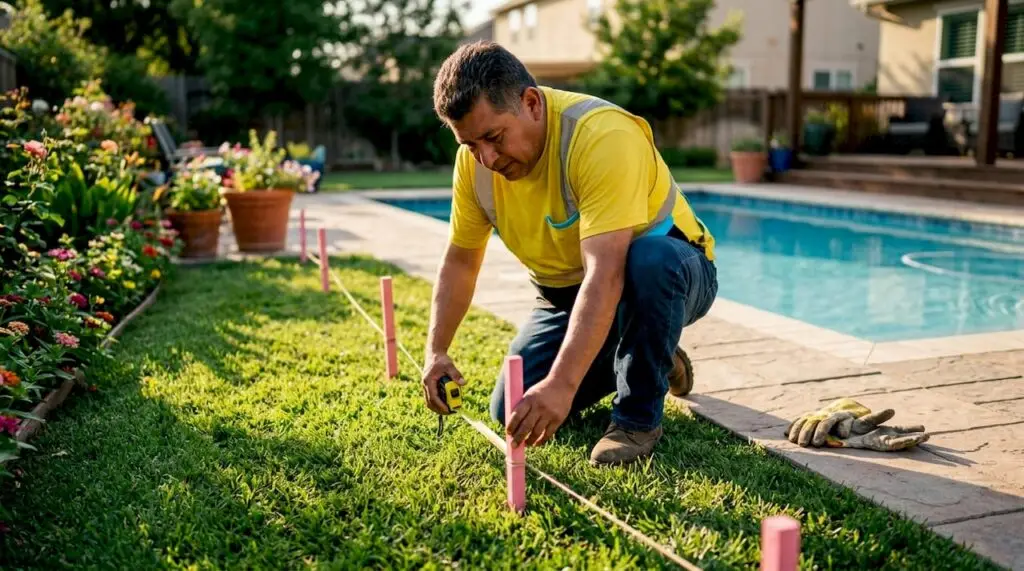
Utility locating is free in most states through the 811 “Call Before You Dig” service. Schedule it at least three business days before you plan to drill. Mark your fence perimeter with spray paint or stakes before ordering materials. Gate placement deserves careful thought. Position gates away from the pool edge and toward the main house entry so adults naturally pass through them on every pool visit.
For residential fence installation, having a second person on site during layout and post-setting is not optional. It is the difference between a plumb, aligned fence and one that fails inspection on the first visit.
How to install a pool safety fence: step-by-step guide
A typical mesh fence installation takes 2–4 hours. Permanent metal fences may require 1–3 days depending on site complexity. Plan your timeline accordingly before you start.
-
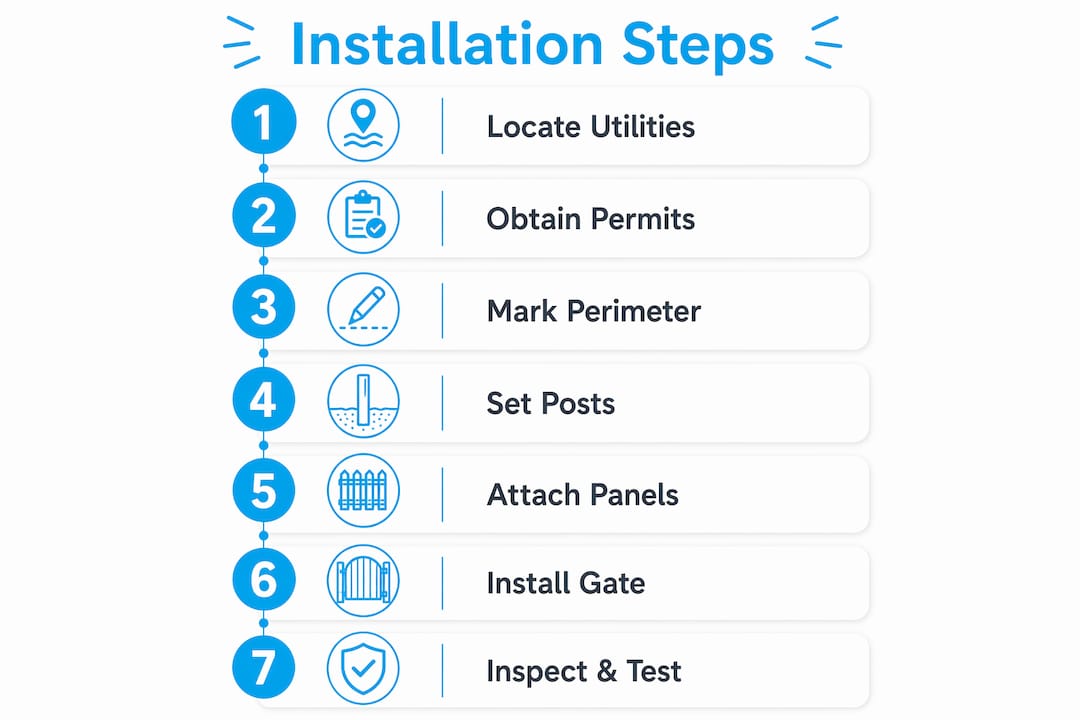
Mark the perimeter. Use stakes and string to outline the full fence boundary. Confirm gate locations and measure total linear footage. Double-check that your layout creates a true isolation barrier around the pool, not just a partial enclosure.
-
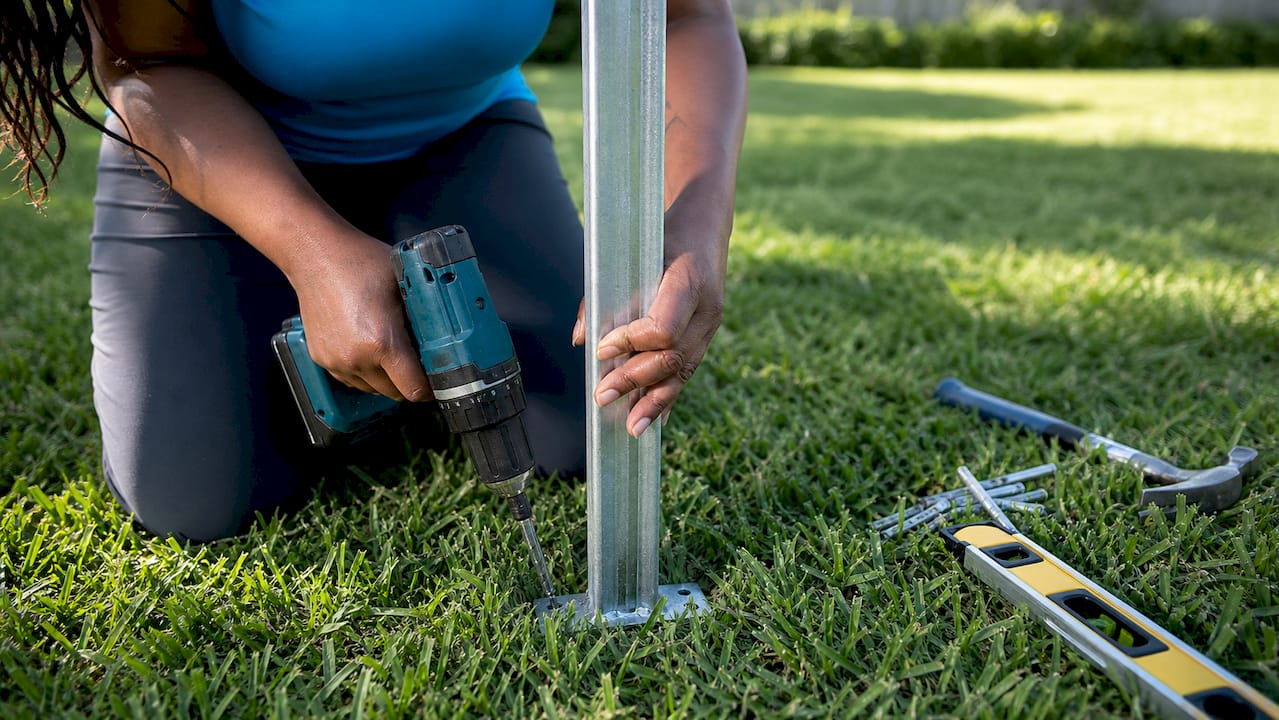
Locate and drill anchor points. Use a hammer drill to create anchor holes at each post location. Concrete decks require masonry anchors. Grass or soil areas require post-hole diggers and concrete footings. Concrete footings need 48 hours to cure before you attach panels.
-
Set posts and allow curing. Place posts in footings and verify plumb with a level on two sides. Brace posts while concrete cures. Do not rush this step. A post that shifts during curing will throw off every panel alignment downstream.
-
Mount fence panels. Attach panels to posts according to the manufacturer’s specifications. Verify that vertical gaps between members stay under 4 inches. Check that the bottom of the fence sits no more than 2 inches from the ground or deck surface.
-
Install the gate. Mount the gate so it opens outward from the pool. Attach self-closing hinges and a self-latching lock. Gate reliability is the primary failure point in inspections. Test the gate from every angle and at different wind conditions to confirm it closes and latches every single time without manual assistance.
-
Conduct a full compliance check. Walk the entire fence line. Check height at multiple points. Confirm no gaps exceed 4 inches. Verify the gate latch is on the pool side and out of a child’s reach. Schedule your permit inspection before using the pool.
Pro Tip: After installation, test your gate latch with your eyes closed. If you can find and operate the latch easily, a curious child can too. Adjust latch height or add a secondary lock if needed.
For a detailed look at how pool fence installation fits into a full pool construction or remodel project, the process follows the same phased approach as any major pool upgrade.
How to maintain and inspect your pool safety fence
A fence that passes inspection on day one can become non-compliant within months if you neglect it. Regular checks protect your family and keep you legally covered.
Inspect your fence monthly and after any major storm. Focus on these areas:
- Gate latch and hinges: Test self-closing and self-latching function every month. Hinges loosen over time. A gate that stays open even briefly is a compliance failure and a safety hazard.
- Posts and panels: Look for rust, corrosion, cracks, or loose connections. Aluminum and vinyl resist corrosion well, but fasteners can still degrade in harsh climates.
- Ground clearance: Check that soil erosion or landscaping changes have not created gaps under the fence. A gap that grows from 2 inches to 4 inches after heavy rain is enough for a toddler to crawl through.
- Non-climbable zone: Objects within 36 inches of the fence create climbable footholds and render the fence non-compliant. Keep chairs, planters, and pool equipment clear of that zone at all times.
- Surface cleaning: Rinse mesh and aluminum fences with fresh water monthly. Vinyl benefits from a mild soap wash twice a year. Wood fences need annual sealing to prevent warping and rot.
Schedule a professional inspection every two years or whenever you notice structural changes. Wefixuglypools offers pool repair services that include fence and gate assessments as part of a broader pool safety review.
Key Takeaways
Installing a pool safety fence correctly requires isolation fencing, code-compliant gate hardware, and the right material for your climate, with regular maintenance to stay compliant long after installation day.
| Point | Details |
|---|---|
| Isolation fencing is required | Perimeter fences alone do not meet code in most U.S. jurisdictions. |
| Gate hardware is the top failure point | Self-closing and self-latching gates must function reliably without human help. |
| Height minimums vary by state | Most states require 48 inches; Arizona and California require 60 inches. |
| Material must match your climate | Aluminum and mesh outperform wood in hot, humid, or coastal environments. |
| Non-climbable zones matter | Keep all objects at least 36 inches from the fence to maintain compliance. |
Why I think most homeowners underestimate the gate
After working with hundreds of pool projects in the Greater Phoenix area, the pattern I see most often is this: homeowners spend real time and money choosing the right fence material, then rush through gate installation. They assume the gate is just a door. It is not.
The gate is the most mechanically complex part of the entire system. It has to close and latch under its own power, every single time, regardless of wind, temperature changes, or a child swinging on it. I have seen beautiful, code-height aluminum fences fail inspection because the gate latch was mounted 2 inches too low or the self-closing spring was under-tensioned. Those are fixable problems, but they delay your pool opening and cost you re-inspection fees.
The other mistake I see regularly is treating the fence as a one-time project. Homeowners install it, pass inspection, and never look at it again. Then two years later, a hinge has loosened, a post has shifted, and the gate no longer latches reliably. The fence still looks fine from the street. But it is not doing its job.
My honest advice: treat your pool fence the same way you treat your smoke detectors. Test it monthly. Fix problems immediately. Do not wait for the annual inspection to discover something has failed. Your family’s safety is not a set-it-and-forget-it situation.
— Brian
How Wefixuglypools can help with your pool fence project
Pool fence installation is a life-safety project, and getting it right the first time matters more than saving a few hours on a weekend DIY attempt.
Wefixuglypools has spent over a decade handling pool remodeling and restoration projects across the Greater Phoenix area, including full fence installations that meet Arizona’s 60-inch height requirement and isolation fencing standards. We handle permit applications, site surveys, and compliance inspections so you do not have to navigate the process alone. Our team also offers customizable fencing options that protect your family without sacrificing the look of your outdoor space. If you want a fence that passes inspection and looks great doing it, reach out to Wefixuglypools for a consultation.
FAQ
What is the minimum height for a pool safety fence?
Most U.S. jurisdictions require a minimum height of 48 inches, but Arizona and California both require 60 inches. Always check your local building code before purchasing materials.
Does a backyard perimeter fence count as a pool safety fence?
No. Isolation fencing that specifically surrounds the pool is required in most jurisdictions. A general backyard fence does not meet code because children can still access the pool from inside the yard.
How long does pool fence installation take?
Mesh fence installation typically takes 2–4 hours. Permanent metal fences with concrete footings can take 1–3 days, since concrete needs 48 hours to cure before panels are secured.
Can I install a pool safety fence myself?
Yes, but you must pull the required permits first. Skipping permits risks fines up to $2,000 or a removal order, which costs far more than the permit fee itself.
What is the most common reason pool fences fail inspection?
Gate hardware is the top failure point. Gates must self-close and self-latch independently every time. Relying on a person to close the gate manually is both unsafe and non-compliant.