Pool renovation mistakes to avoid are primarily structural, material, and safety errors that turn a promising project into a costly repair cycle. The industry term for this process is pool remodeling, which covers everything from resurfacing and plumbing upgrades to deck work and safety compliance. Homeowners who skip pre-renovation inspections, choose temporary materials, or ignore safety upgrades often face repair bills that exceed the original renovation budget. Getting the sequence right, choosing durable materials, and addressing safety from the start are the three factors that separate a successful remodel from a frustrating one.
1. Skipping structural and plumbing inspections
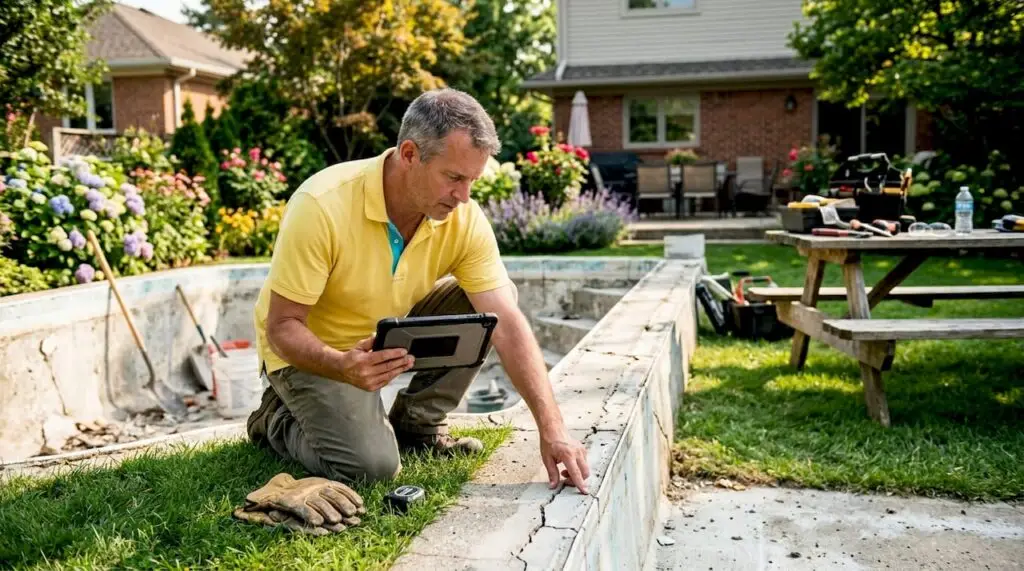
The single most expensive pool renovation mistake is starting cosmetic work before confirming the structure is sound. Skipping pre-renovation inspections leads to hidden failures costing $3,000–$8,000 within 3–5 years. That figure represents repairs you will pay twice: once because the problem was missed, and again because new finishes must be torn out to fix it.
A proper pre-renovation inspection covers three areas:
- Plumbing pressure testing: Confirms pipes hold pressure and identifies leaks before new decking covers them permanently.
- Gunite shell crack checks: Locates structural fractures that will cause new plaster or Pebble Tec to delaminate if left unaddressed.
- Tile and bond beam assessment: Identifies loose or failing tile that signals water intrusion behind the shell.
Structural repairs must always precede cosmetic upgrades. Building a new deck over a cracked shell is the most common sequencing error Wefixuglypools encounters on renovation projects. You end up demolishing new work to reach old problems.
Pro Tip: Schedule your structural inspection at the very start of project planning, before you finalize a budget or sign any contracts. The inspection findings should drive your budget, not the other way around.
2. Choosing pool paint over durable finishes
Pool paint is the most common low-cost cosmetic fix, and it is also the most reliably disappointing one. Pool paint fails within 18–24 months in intense sun, causing peeling, chalking, and filtration problems. In Phoenix and similar high-sun markets, that timeline is often shorter.
When paint peels, the flakes enter your filtration system and clog the filter media. You then pay for filter cleaning or replacement on top of a second resurfacing job. The math never works in paint’s favor.
Long-life finishes like Pebble Tec, quartz aggregate, and exposed aggregate plaster are the correct alternatives. They bond directly to the shell and, when properly installed, last 12–18 years. The chip-out process before applying a new finish is what makes that longevity possible. Layering over old finishes leads to delamination and failure within 2 years regardless of finish quality.
Here is a quick comparison of common finish options:
| Finish type | Typical lifespan | Key risk |
|---|---|---|
| Pool paint | 18–24 months | Peeling, filter clogging |
| Standard plaster | 7–10 years | Staining, etching |
| Quartz aggregate | 10–15 years | Higher upfront cost |
| Pebble Tec / exposed aggregate | 12–18 years | Requires full chip-out prep |
The upfront cost difference between paint and a quality aggregate finish is real. The total cost over ten years, however, consistently favors the durable finish.
3. Poor planning and incorrect work sequencing
Inadequate project planning is a budget killer that most homeowners do not see coming. Poor sequencing inflates renovation costs by 15–25% due to rework and damage caused by completing tasks out of order. That percentage adds up fast on a mid-range renovation.
The correct renovation sequence follows this order:
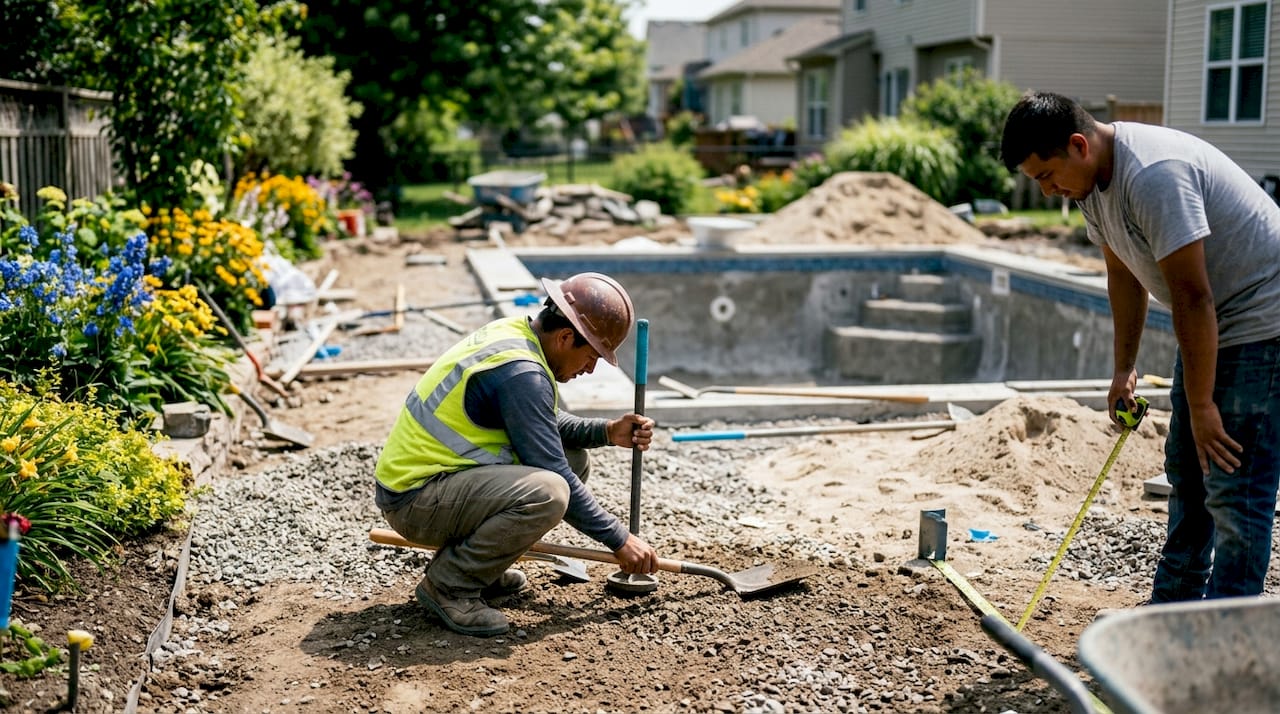
- Complete structural and plumbing repairs.
- Upgrade mechanical systems (pumps, heaters, lighting).
- Apply new interior finish.
- Install or repair coping and tile.
- Complete deck work.
- Final electrical and safety inspections.
Reversing steps 1 and 5 is the most damaging error. Contractors who pour new concrete decking before addressing shell cracks must jackhammer sections of that deck to reach the shell later. You pay for the concrete twice and the labor three times.
Failing to plan for local permits risks legal delays and added project costs. Electrical, plumbing, and structural work each may require separate permits depending on your municipality.
Pro Tip: Before signing a renovation contract, ask your contractor to list every permit required and confirm which party pulls each one. Unpermitted work can block a home sale and void your homeowner’s insurance coverage.
4. Overlooking safety upgrades during renovation
Renovation is the lowest-cost moment to bring your pool up to current safety standards. Safety upgrades prevent pool accidents and should be addressed during remodeling, not treated as optional add-ons. Retrofitting safety features after a project closes costs significantly more than integrating them during the work.
The most commonly overlooked safety items in older pools include:
- Anti-entrapment drain covers: Required under the Virginia Graeme Baker Pool and Spa Safety Act. Older flat drain covers create dangerous suction that can trap swimmers.
- GFCI outlets and lighting: Ground fault circuit interrupter protection is required near water by the National Electrical Code. Many pools built before 1990 lack it entirely.
- Slip-resistant deck surfaces: Smooth concrete and glazed tile become hazardous when wet. Textured finishes and non-slip coatings reduce fall risk significantly.
- Proper deck drainage: Standing water near the pool edge increases slip risk and accelerates deck deterioration.
“Safety upgrades are often the last thing homeowners budget for, but they are the first thing that matters when something goes wrong. A renovation that improves the look of a pool without addressing drain covers, electrical grounding, and deck drainage has missed its most important purpose.”
Wefixuglypools treats pool renovation safety upgrades as non-negotiable items in every remodel scope, not optional line items a homeowner can decline to save money.
5. Ignoring mechanical systems during a cosmetic remodel
Pool remodeling is a system-wide reset, not just a surface refresh. Outdated pumps and plumbing left in place during a remodel cause equipment strain and short-term failures that undermine the entire renovation investment. A beautiful new finish paired with a failing pump is a problem within one season.
Variable-speed pumps reduce pool energy use by up to 70% compared to single-speed models. That savings compounds every month for the life of the pump. Replacing a pump during a renovation costs far less than scheduling a separate service call after the deck and coping are finished.
The mechanical inspection checklist for any renovation should include the pump, filter, heater, automation system, and all return and suction fittings. If a component is more than 8–10 years old, replacement during the renovation is almost always the more cost-effective choice. You can read more about neglected repair priorities that commonly surface during remodels.
6. Material and design choices that fail in real conditions
Choosing materials based on appearance alone is one of the most common pool makeover mistakes. The material that looks stunning in a showroom can become a liability in your specific climate and water chemistry. Material choice must account for environmental factors like sun exposure and water hardness to maintain both aesthetics and usability.
Key material mistakes to avoid:
- Dark decking in high-sun regions: Dark concrete or pavers absorb heat and become too hot to walk on barefoot. Light-colored natural stone or heat-resistant travertine stays cooler and extends the usable hours of your pool area.
- Dark waterline tiles in hard-water areas: Calcium buildup forms white rings on dark tiles within one season in hard-water markets like Phoenix. Lighter-colored tiles reduce visible mineral staining and maintain appearance longer.
- Oversized or undersized features: A tanning ledge sized for a resort pool overwhelms a compact backyard. A water feature with insufficient pump capacity runs weakly and wastes energy.
- Smooth coping with no grip: Rounded, polished coping looks clean but provides no grip for swimmers exiting the pool. Textured or bullnose coping is the safer and more functional choice.
Design decisions also affect long-term satisfaction. A pool sized and shaped for how you actually use it, whether that means lap swimming, family play, or entertaining, will deliver more value than one designed purely for visual impact. For ideas on smart budget upgrades that balance form and function, the planning phase is the right time to explore options.
Key Takeaways
Avoiding pool renovation mistakes requires addressing structural integrity, mechanical systems, and safety compliance before any cosmetic work begins.
| Point | Details |
|---|---|
| Inspect before you spend | Pre-renovation structural and plumbing inspections prevent $3,000–$8,000 in hidden repair costs. |
| Choose durable finishes | Aggregate finishes last 12–18 years; pool paint fails within 18–24 months and clogs filters. |
| Sequence work correctly | Structural and mechanical repairs must precede deck and cosmetic work to avoid costly rework. |
| Integrate safety upgrades | Anti-entrapment drains, GFCI outlets, and slip-resistant surfaces cost less when added during renovation. |
| Match materials to climate | Light-colored decking and tile perform better in high-sun, hard-water environments like Phoenix. |
What I’ve learned from watching renovations go wrong
After years of working on pool remodels across the Greater Phoenix area, the pattern I see most often is this: homeowners approve a renovation scope based on what they can see, and contractors let them. The cracked shell gets a fresh coat of plaster. The 15-year-old single-speed pump keeps running. The flat drain covers stay in place. Everything looks better for about 18 months, and then the calls start.
The uncomfortable truth about pool renovation is that the work that matters most is invisible. Surface prep, plumbing integrity, electrical grounding, and proper sequencing never show up in the before-and-after photos. They show up in the repair bills three years later, or in the absence of them.
What I tell every homeowner before we start a project is simple: treat the renovation as a chance to fix the whole system, not just the parts you can photograph. The cosmetic upgrades are the reward for doing the structural work correctly. Skipping the foundation to get to the reward faster is the most expensive shortcut in this business.
The homeowners who come to Wefixuglypools after a failed renovation by another contractor almost always say the same thing: “They never mentioned the inspection.” That one omission sets the stage for every problem that follows. If your contractor is not leading with a structural assessment, that is the first sign to pause and ask harder questions. Finding a qualified pool contractor who prioritizes the inspection phase is the single best decision you can make before any renovation begins.
— Brian
How Wefixuglypools approaches pool renovation the right way
Wefixuglypools has spent a decade completing hundreds of pool transformations across the Greater Phoenix area, and every project starts with the same step: a thorough structural and mechanical inspection before a single cosmetic decision is made.
Our crews handle pressure testing, shell assessments, permit coordination, and full sequencing from structural repairs through final finish, all under one licensed team. We use durable aggregate finishes, variable-speed pump upgrades, and code-compliant safety installations as standard practice, not optional upgrades. If you are planning a pool remodeling project and want a team that addresses the whole system, not just the surface, contact Wefixuglypools for a consultation. We will tell you exactly what your pool needs and give you a clear, fixed-price plan to get it done right.
FAQ
How much do hidden pool renovation failures cost?
Skipping pre-renovation inspections leads to hidden failures costing $3,000–$8,000 within 3–5 years. Structural and plumbing issues discovered after cosmetic work is complete require tearing out new finishes to access them.
How long does a quality pool finish last?
A properly installed aggregate finish like Pebble Tec lasts 12–18 years when the old surface is fully chipped out before application. Pool paint, by contrast, fails within 18–24 months under intense sun exposure.
What safety upgrades are required during a pool renovation?
Anti-entrapment drain covers are required under the Virginia Graeme Baker Pool and Spa Safety Act, and GFCI electrical protection is required by the National Electrical Code near water. Both should be addressed during any renovation.
Why does work sequencing matter so much in pool remodeling?
Poor sequencing inflates renovation costs by 15–25% because tasks completed out of order require demolition and rework. Structural and plumbing repairs must always precede deck and cosmetic work.
What is the best decking material for a pool in a hot, sunny climate?
Light-colored natural stone or travertine is the best choice for high-sun regions. Dark decking absorbs heat and becomes too hot to walk on barefoot, limiting the usable hours of your pool area.