Custom pool construction phases are the structured sequence of steps that take your backyard from bare dirt to a finished swimming pool, covering design, permitting, excavation, structural work, and finishing. Most projects run 10 to 14 weeks from the first design meeting through final start-up. That timeline surprises many homeowners who expect a faster build. Permitting alone can consume 4 to 10 weeks depending on your municipality and HOA. Understanding each stage before you break ground puts you in control of the schedule and protects your investment.
What are the key custom pool construction phases?
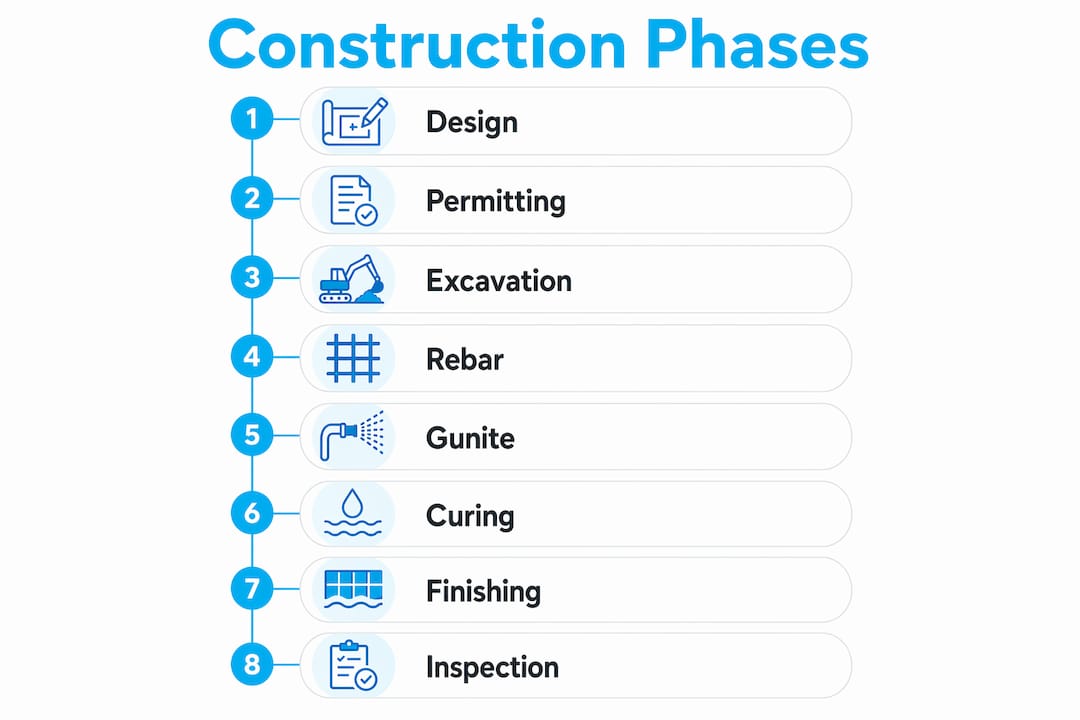
The pool building process follows eight distinct stages. Each one must be completed before the next begins, which is why skipping or rushing any phase creates problems that are expensive to fix later.
-
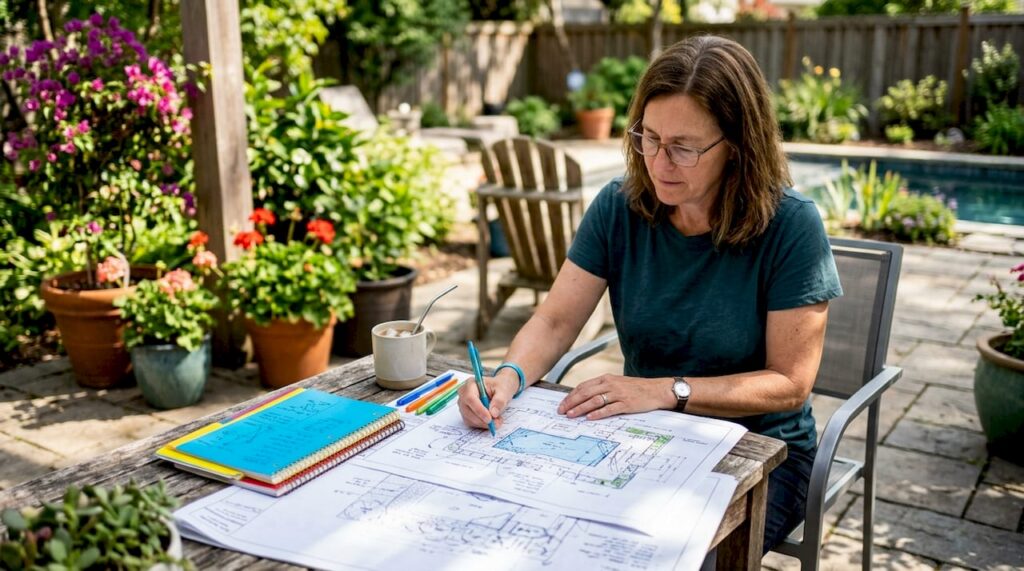
Design and engineering. Your builder creates detailed drawings, selects features, and finalizes the pool’s shape, depth, and equipment layout. 3D modeling is now standard at this stage, letting you visualize the finished pool before any dirt moves. This phase typically runs 3 to 5 weeks.
-
Permitting and HOA approvals. Your contractor submits plans to the city and, if applicable, your homeowners association. Permits cover electrical, plumbing, and safety fencing. Permit and HOA delays are the single most common cause of project stalling, so start this process as early as possible.
-
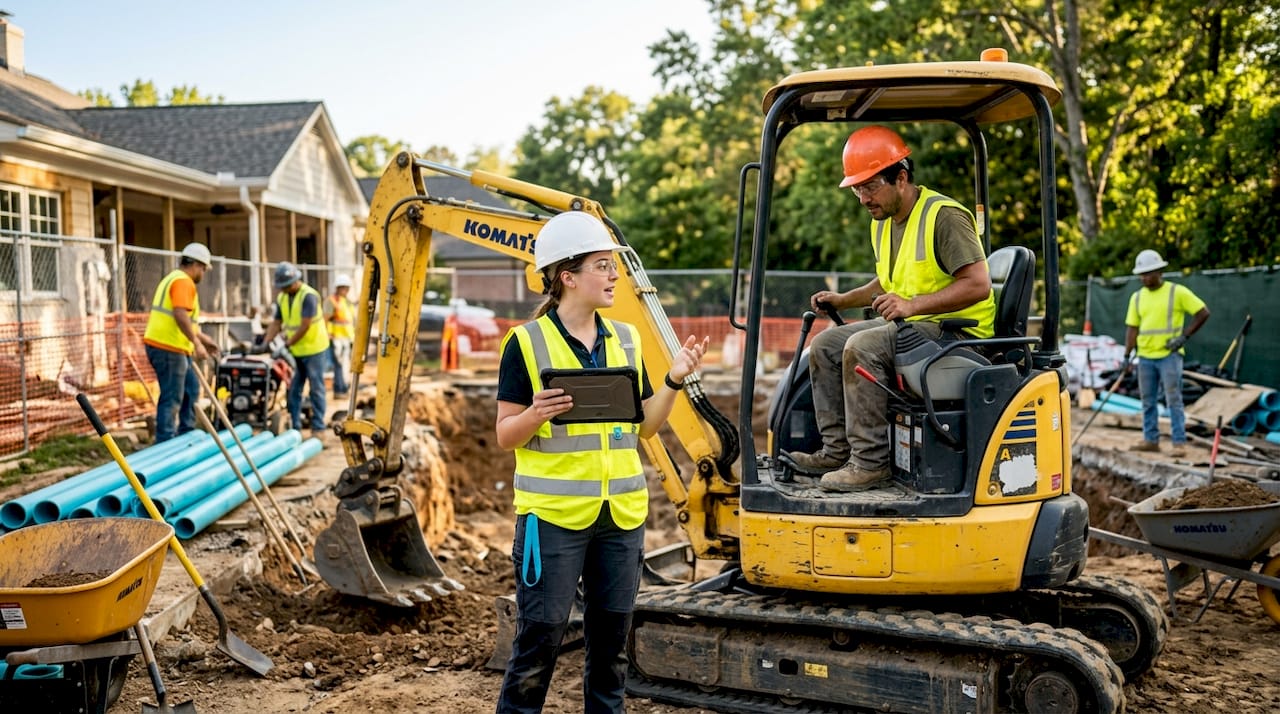
Site layout and excavation. The crew marks the pool’s exact footprint and digs to the engineered depth. Excavation takes 1 to 2 days for most residential pools. Soil conditions discovered at this stage can affect the structural design.
-
Steel rebar installation. Workers tie a grid of steel rebar inside the excavated shell. This framework gives the concrete its tensile strength. Rebar installation typically takes 1 to 2 days and must pass a city inspection before any concrete is applied.
-
Plumbing and electrical rough-ins. Plumbers install all return lines, suction lines, and drain assemblies. Electricians run conduit for lighting, pumps, and automation systems. This phase takes about one week and includes a mandatory inspection before burial.
-
Gunite or shotcrete shell application. A pneumatic hose sprays a dry or wet concrete mix over the rebar framework to form the pool shell. Gunite application takes one day, but the shell then requires approximately 7 days of curing before any finishing work begins.
-
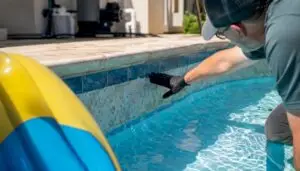
Tile, coping, and decking. Tile is set at the waterline, coping caps the pool edge, and the surrounding deck is poured or laid. Tile and decking installation takes 1 to 2 weeks depending on the materials you choose.
-
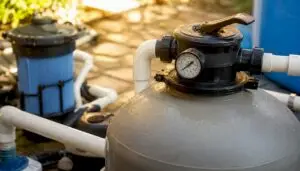
Equipment installation and start-up. The pump, filter, heater, and automation system are installed and connected. The pool is filled, water chemistry is balanced, and the equipment is commissioned. This final phase runs about one week.
Pro Tip: Schedule a walkthrough with your builder at the end of each phase. You catch issues before they get buried under the next layer of work.
How long does each phase of pool installation take?
Realistic phase durations help you plan around your life and set accurate expectations with your contractor. The table below reflects typical timelines for a standard residential custom pool.
| Phase | Typical Duration |
|---|---|
| Design and engineering | 3–5 weeks |
| Permitting and HOA approvals | 4–6 weeks |
| Excavation and rebar | 2–3 days |
| Plumbing and electrical rough-ins | ~1 week |
| Gunite application and curing | 1 day + 7 days curing |
| Tile, coping, and decking | 1–2 weeks |
| Equipment installation and start-up | ~1 week |
| Total project range | 10–14 weeks |
Weather delays during excavation and decking can extend your overall schedule by 10 to 20%. That means a 12-week project could stretch to 14 weeks after a rainy stretch. Build that buffer into your planning from day one.
The phases that surprise homeowners most are permitting and curing. Permitting feels passive because you are waiting on a government office, not watching workers. Curing feels like nothing is happening because the pool just sits there. Both are non-negotiable steps. Rushing either one creates structural or legal problems that cost far more to fix than the time you saved.
Pro Tip: If you are building in the Greater Phoenix area, luxury pool timelines in comparable desert climates show that starting the permit process before finalizing every design detail can shave two to three weeks off your total schedule.
What are best practices for navigating pool construction phases?
The homeowners who finish with the least stress are the ones who plan proactively rather than react to surprises. These practices make the biggest difference.
-
Secure permits before excavation. Permits cover electrical, plumbing, and safety fencing and can consume 20 to 30% of your total lead time. Starting the permit application the same week you sign your contract is the single most effective way to protect your schedule.
-
Conduct a thorough site evaluation. Early site assessment uncovers soil instability, high water tables, and drainage problems before excavation begins. Discovering these issues mid-dig costs significantly more to address than finding them upfront.
-
Demand pressure testing on all plumbing. Professional builders pressure-test every plumbing line before it gets buried in concrete. This step is invisible to you as the homeowner, so ask your contractor to confirm it in writing before the shell is applied.
-
Accept that construction is not continuous. Progress pauses for inspections, curing, and deliveries are built into the process. A day with no workers on site does not mean your project has stalled. It often means a required coordination step is underway.
-
Budget for contingencies. Weather, inspection backlogs, and material lead times are real variables. A 10 to 15% contingency on both time and budget covers most surprises without derailing the project.
-
Communicate milestones, not just problems. Clear milestone communication reduces homeowner stress more than any promise of speed. Ask your builder for a written milestone schedule at the start of the project and review it at each phase completion.
Working with a qualified contractor who manages all of these steps is the most reliable way to stay on track. Wefixuglypools has completed hundreds of pool builds across the Greater Phoenix area, and that experience shows in how efficiently each phase gets handed off to the next.
How do construction phases affect cost and quality?
Every phase of the pool building process has a direct impact on your final investment and the long-term quality of the finished pool.
The design phase sets the blueprint and budget for everything that follows. Rushed or incomplete plans lead to change orders, which are the primary driver of cost overruns. Spending the full 3 to 5 weeks on design is not slow. It is the most cost-effective decision you make on the entire project.
Proper permitting protects your investment legally. A pool built without the correct permits can trigger fines, forced demolition, or complications when you sell the property. The permit cost is a small fraction of the total project budget, and the protection it provides is substantial.
Structural quality depends entirely on rebar installation and concrete application. A well-tied rebar grid and properly applied gunite shell will last decades without cracking. Cutting corners on either one creates structural failures that require full shell replacement, which costs more than the original build.
Long-term maintenance costs are shaped by how well the plumbing and electrical phases are executed. Pressure-tested lines and correctly sized equipment reduce repair calls significantly over the life of the pool. Finishing materials also matter: higher-grade tile, coping, and decking cost more upfront but resist fading, chipping, and cracking far longer than entry-level options.
You can review custom pool features and finishes to understand how material choices at the finishing phase affect both aesthetics and long-term durability.
Key Takeaways
Successful custom pool construction requires completing eight distinct phases in sequence, with permitting and curing representing the most commonly underestimated time commitments in the entire project.
| Point | Details |
|---|---|
| Total timeline is 10–14 weeks | Plan for the full range, including permitting, curing, and weather buffers. |
| Permitting takes 4–6 weeks | Start the permit application the same week you sign your contract. |
| Pressure-test all plumbing | Confirm in writing that your builder tests pipes before concrete is applied. |
| Design phase prevents overruns | Spending 3–5 weeks on design reduces costly change orders during construction. |
| Construction includes planned pauses | Inspection and curing stops are required steps, not delays. |
What I’ve learned after watching hundreds of pool builds
The most consistent mistake I see homeowners make is treating the permit wait as wasted time. They sign a contract, expect shovels in the ground within a week, and then feel frustrated when four weeks pass with nothing visible happening. That frustration is understandable, but it is based on a misread of the process.
Permitting is not administrative overhead. It is the legal and structural foundation of your project. The inspections that follow each phase exist because a pool is a permanent structure with live electrical systems and pressurized plumbing buried under concrete. Those inspections protect you, not the contractor.
The second thing I tell every homeowner is to resist the urge to rush the gunite curing period. Seven days feels like nothing when you are excited to see your pool take shape. But concrete that has not fully cured is weaker concrete. Any finishing work applied too early can crack or delaminate within a few years. Patience at that stage is a direct investment in the pool’s lifespan.
My strongest advice is to treat each phase completion as a milestone worth acknowledging. Walk the site with your builder. Ask questions. Understand what was just completed and what comes next. Homeowners who stay engaged at each stage end up with better results, not because they micromanage, but because their attention signals to the crew that quality matters on this job.
If you are still in the planning stage, finding the right pool contractor is the single decision that determines how smoothly every phase runs.
— Brian
Ready to build your custom pool with a team that knows every phase
Wefixuglypools has spent over a decade managing every stage of the custom pool building process across the Greater Phoenix area. From the first design session through final water chemistry balance, our team handles each phase with the attention it deserves.
We manage permitting, coordinate inspections, and keep you informed at every milestone so you are never left wondering what is happening in your backyard. Whether you are starting from scratch or remodeling an existing pool, we bring the same hands-on expertise to every project. Contact Wefixuglypools today for a personalized consultation and a quote built around your specific backyard, budget, and timeline. Our custom pool services in Arizona are designed to deliver a finished pool you will use for decades.
FAQ
How long do custom pool construction phases take in total?
Custom pool construction typically spans 10 to 14 weeks from design through completion. Permitting and HOA approvals account for 4 to 6 weeks of that total.
What is the longest phase in the pool building process?
Permitting and HOA approvals take the most calendar time, running 4 to 6 weeks. Physical construction phases like excavation and rebar each take only 1 to 2 days.
Why does gunite need 7 days to cure before finishing?
Gunite curing requires approximately 7 days for the concrete shell to reach adequate structural strength. Applying tile or plaster before full cure risks cracking and delamination.
Can weather delay my pool construction timeline?
Yes. Weather delays during excavation and decking can extend the overall project by 10 to 20%. Build a time buffer into your schedule from the start.
What should I ask my contractor before construction begins?
Confirm that they will pressure-test all plumbing before burial, provide a written milestone schedule, and have all permits approved before excavation starts. These three steps prevent the most common and costly problems in the pool building process.