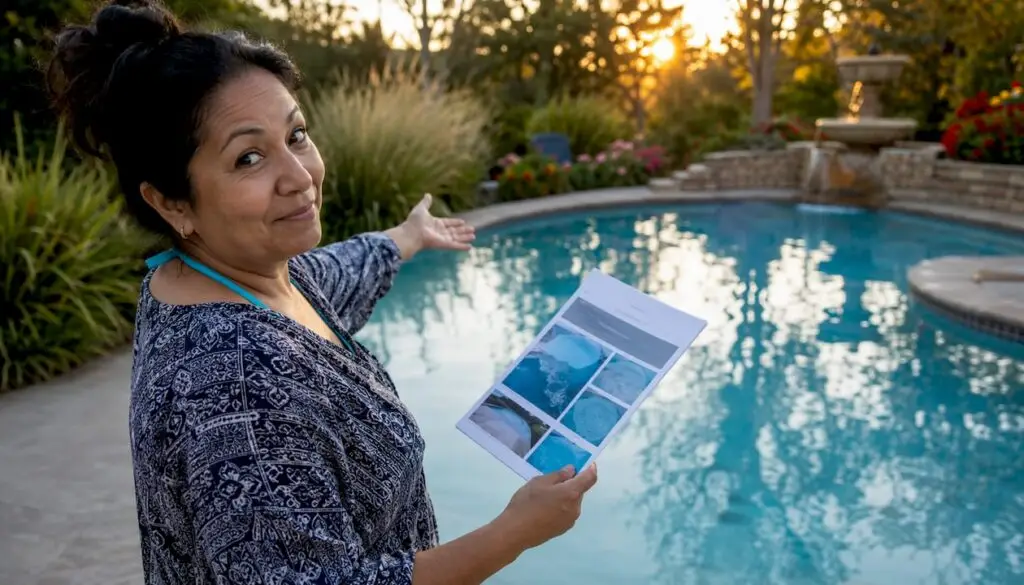
What a pool condition assessment actually tells you
A pool condition assessment is a non-invasive visual examination of every major system in your swimming pool, conducted by a qualified inspector before you commit to a remodel. Think of it as your pool’s full health report: structure, equipment, electrical, water chemistry, and safety barriers all reviewed in a single visit. The goal is to surface material defects and code compliance issues before renovation work begins, so you are not mid-project when a cracked shell or a non-compliant drain cover stops everything.
This is not the same as a routine home inspection. A general home inspector may note that a pool exists; a pool condition assessment digs into pool-specific systems with purpose-built checklists and tools. Here is what the evaluation covers:
- Structural integrity: shell condition, coping, tile, and deck surfaces
- Mechanical systems: pumps, filters, heaters, and circulation
- Water quality: clarity, pH, chlorine, alkalinity, and calcium hardness
- Electrical systems: GFCI protection, bonding, disconnect switches, and lighting
- Safety barriers: fencing, self-latching gates, alarms, and anti-entrapment drain covers
Table of Contents
- What inspectors examine in detail
- How professional inspectors conduct the assessment
- Why getting assessed before remodeling protects your investment
- How Wefixuglypools uses assessments to transform Arizona pools
- Reading your pool inspection report
- Key Takeaways
- Your pool deserves a plan built on real findings
What inspectors examine in detail
Understanding the scope of a pool condition home inspection helps you know exactly what findings will shape your remodeling plan.
Structural and surface components
Inspectors look at the pool shell for cracks, pitting, delamination, and plaster degradation. Tile and coping are checked for looseness or gaps. The deck gets scrutinized for trip hazards, drainage slope, and slip resistance near entry points.

Mechanical systems
Professional inspectors document the make, model, age, and operational status of every piece of equipment to evaluate remaining lifespan. Pumps are checked for smooth operation, proper priming, and visible leaks. Filters are assessed for pressure, media condition, and backwash function. Heaters are tested for ignition, thermostat accuracy, and gas valve operation.

Water quality evaluation
Water testing during the inspection measures pH, free chlorine, alkalinity, calcium hardness, and visual clarity. Water that is cloudy, discolored, or chemically imbalanced signals maintenance neglect that could affect the pool’s surfaces and equipment. Correcting chemistry before a remodel protects the new finish from day one.
| System | Key Checkpoints | Why It Matters for Remodeling |
|---|---|---|
| Structure | Shell cracks, tile, coping, deck | Determines scope of surface work needed |
| Mechanical | Pump, filter, heater age and function | Flags equipment replacement before renovation |
| Electrical | GFCI, bonding, wiring, lighting | Prevents code violations post-remodel |
| Water quality | pH, chlorine, alkalinity, clarity | Protects new finishes and swimmer safety |
| Safety barriers | Fencing, gates, drain covers, alarms | Required for code compliance sign-off |
Electrical safety
Electrical checks verify GFCI protection, equipment bonding, disconnect switches, and safe wiring throughout the pool area. These are non-negotiable: a remodel that introduces new lighting or automation without addressing existing electrical deficiencies creates real liability.
How professional inspectors conduct the assessment
Inspectors do not enter the water. The entire process is conducted from the pool deck using visual observation, long-handled tools for drain checks, and specialized cameras for areas that are not directly visible. Here is what the process looks like in practice:
- Visual walkthrough: Inspector surveys the full pool perimeter, deck, equipment pad, and fencing
- Drain and suction outlet check: Long-handled tools confirm drain cover compliance without entering the pool
- Camera inspection: Used for structural areas or plumbing runs that cannot be seen directly
- Water sampling: Chemical test kit measures key parameters on-site
- Documentation: Photos, compliance checklists, and equipment notes are recorded throughout
One important boundary: underground pipes are outside standard assessment scope. If a hidden leak is suspected, a separate leak detection service is needed. Knowing this upfront prevents surprises when the inspection report arrives.
Pro Tip: Ask your inspector specifically about the age and condition of the main drain covers. Non-compliant covers are one of the most common reasons pools fail inspection, and replacing them is straightforward when caught early.
Inspectors should hold credentials from recognized bodies such as InterNACHI or ASHI, both of which publish standards of practice for residential pool and spa inspections. Verifying credentials before you hire protects you from an incomplete assessment that misses critical items.
Why getting assessed before remodeling protects your investment
Skipping a condition assessment before a remodel is one of the most avoidable pool renovation mistakes homeowners make. Here is what the assessment does for your project:
- Identifies safety hazards first: Missing or non-compliant safety barriers cause inspection failures even when the pool structure is sound. Catching these before renovation means safety upgrades are built into the project budget, not added as emergency line items.
- Defines structural scope: A cracked shell or failing coping changes the remodel plan entirely. Knowing this before design work begins saves time and money.
- Enables phased planning: Pool evaluations support strategic renovation planning by identifying priority repairs and allowing phased investment rather than one overwhelming spend.
- Prevents liability exposure: An uninspected pool with electrical deficiencies or non-compliant drain covers creates legal risk, especially if the property is sold or rented.
- Confirms code compliance: Local building codes and federal requirements like the Virginia Graeme Baker Act govern drain cover standards. An assessment confirms where you stand before permits are pulled.
The right time to schedule an assessment is before you finalize any remodeling budget or design plan. If your pool has not been professionally evaluated in the past three to five years, or if it shows visible deterioration, that is reason enough to schedule one now. Understanding pool renovation timing alongside assessment findings gives you the clearest picture of what to prioritize.
How Wefixuglypools uses assessments to transform Arizona pools
Wefixuglypools has spent over a decade turning unsightly, underperforming pools in the Greater Phoenix area into spaces homeowners are proud of. That track record, built across hundreds of completed transformations, starts with one thing: a thorough condition assessment before any design conversation happens.
Every project begins with a comprehensive inspection that maps the pool’s structural condition, equipment status, electrical compliance, and safety features. That data drives the remodeling plan, so nothing is guessed and nothing is missed.
Clients consistently highlight that Wefixuglypools’s process feels transparent and collaborative. The assessment findings are shared clearly, repair priorities are explained without pressure, and the renovation scope is matched to what the pool actually needs, not a one-size-fits-all package. That approach to pool aesthetic restoration is what separates a genuine transformation from a cosmetic patch.
Pro Tip: If your pool has visible staining, outdated tile, or equipment that is more than ten years old, bring those specifics to your first conversation with Wefixuglypools. The more detail you share upfront, the more targeted the assessment can be.
Reading your pool inspection report
A pool inspection report is organized around function and safety, not aesthetics. Inspectors flag what is not working or not compliant, and that focus is intentional. Here is how to read the findings:
Executive summary: Gives an overall condition rating (typically Excellent, Good, Fair, or Poor) and calls out critical issues requiring immediate attention before any other work begins.
Safety feature section: Lists each barrier, alarm, and drain cover with a pass or fail result. Any fail here is a hard stop: those items must be corrected before a remodel can proceed or a permit can be issued.
Equipment evaluation: Details the operational status, age, and estimated remaining lifespan of each mechanical component. This section tells you which equipment can be reused in the remodel and what needs replacement.
Structural findings: Documents shell integrity, tile condition, coping, and deck surface. Cracks are categorized as hairline or structural, which directly affects repair cost and timeline.
Water quality results: Summarizes chemical readings and flags any parameters outside acceptable ranges. Corrective recommendations are listed here.
Age alone does not constitute a defect. A pump that is twelve years old but running within spec may not need immediate replacement. The report tells you what is failing now, not what might fail eventually, so you can make informed decisions about where to spend renovation dollars.
Key Takeaways
A pool condition assessment is the essential first step before any remodel: it identifies safety failures, structural defects, and equipment gaps that determine the true scope and cost of your project.
| Point | Details |
|---|---|
| Assessment scope | Covers structure, mechanical, electrical, water quality, and safety barriers in one non-invasive visit. |
| Safety failures come first | Non-compliant drain covers, fencing, and gates are the most common reasons pools fail inspection. |
| Report focus | Reports flag functional defects and safety risks, not aesthetics, guiding repair priorities clearly. |
| Time your assessment right | Schedule before finalizing any remodeling budget or design plan to avoid costly mid-project surprises. |
| Wefixuglypools approach | Wefixuglypools uses condition assessments as the foundation of every pool remodel in Greater Phoenix, ensuring each transformation is grounded in real findings. |
Your pool deserves a plan built on real findings
Wefixuglypools is the team Arizona homeowners call when a pool has gone from an asset to an eyesore. With a decade of hands-on experience and hundreds of completed remodels across Phoenix, Scottsdale, and Surprise, the process always starts with a thorough assessment, not a sales pitch.

Whether your pool needs a full structural overhaul or a targeted aesthetic upgrade, the assessment findings tell us exactly where to focus. You get a clear picture of what your pool needs, a plan that matches your goals, and a team that has done this hundreds of times before. Ready to see what your pool is actually worth fixing? Request a remodeling consultation or explore pool remodeling in Surprise, AZ to get started with Wefixuglypools today.