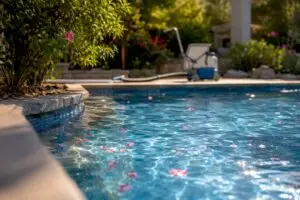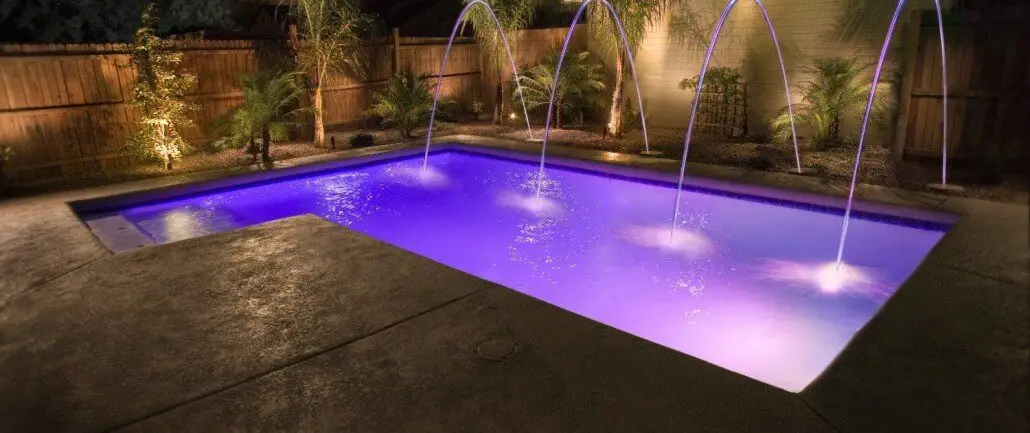
A pool makeover on a budget is defined as a targeted set of aesthetic and functional upgrades that transform an aging or unappealing pool without the cost of a full rebuild. The average professional pool remodel runs about $10,137, with smaller aesthetic updates starting as low as $3 per square foot. That range means most homeowners have real options between a $1,600 cosmetic refresh and a $29,500 structural overhaul. The key is knowing which upgrades deliver the most visible impact for the least money. Resurfacing, LED lighting, water features, and pool landscaping on a budget consistently rank as the highest-return improvements you can make.
What materials and tools do you need for a pool makeover on a budget?
The right materials make the difference between a renovation that lasts five years and one that lasts twenty. Start with what touches the water first.
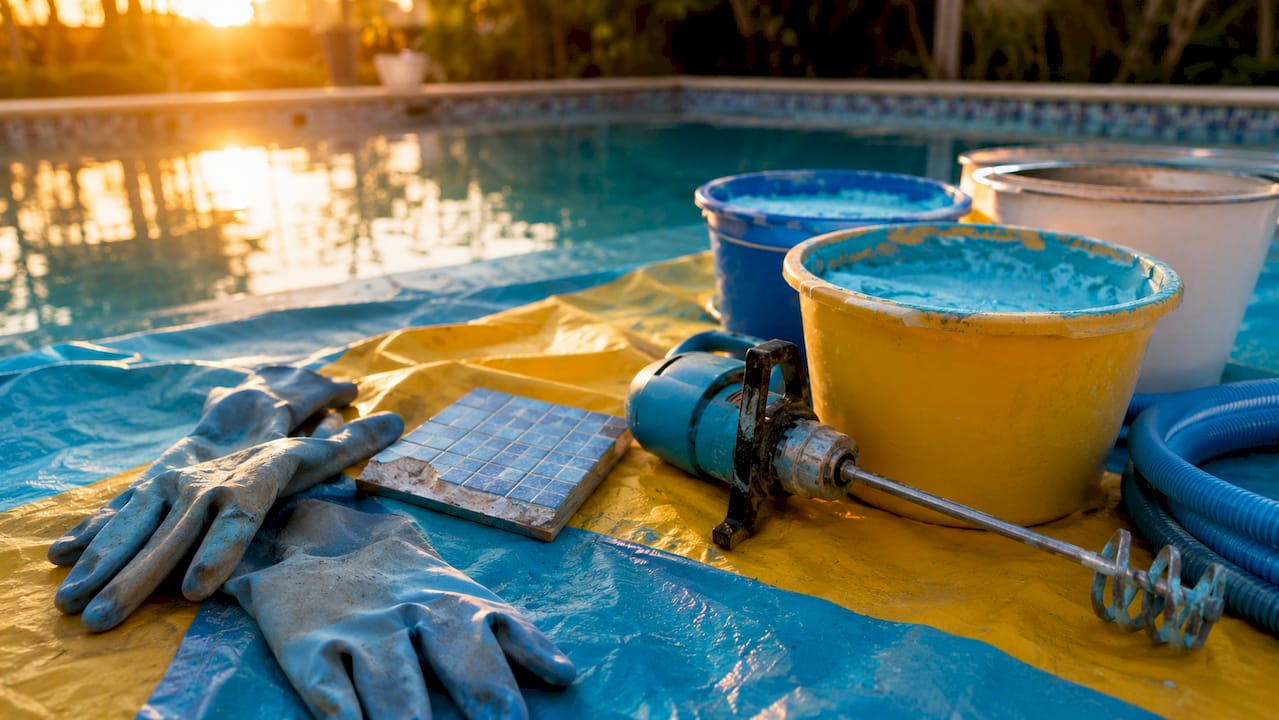
Resurfacing and finish materials are the foundation of any affordable pool renovation. Pool plaster is the most common and least expensive option, typically running $6,000–$15,000 for a full professional resurfacing job. Pebble and quartz aggregate finishes cost more upfront but last significantly longer, making them cost-effective over time. Pool-safe epoxy paint is the most budget-friendly DIY option for above-ground pools and older concrete shells, though it requires reapplication every 3–5 years.
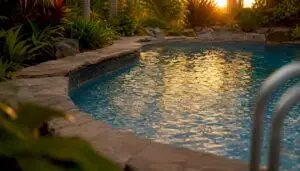
Lighting upgrades offer one of the best returns in budget-friendly pool design. LED pool lights consume up to 75% less energy than traditional incandescent fixtures. Solar-powered accent lights along the pool deck require zero wiring and cost as little as $15–$30 per unit at retailers like Home Depot or Lowe’s. Multi-colored LED lighting creates a dramatic visual upgrade that modernizes an older pool without any structural changes.
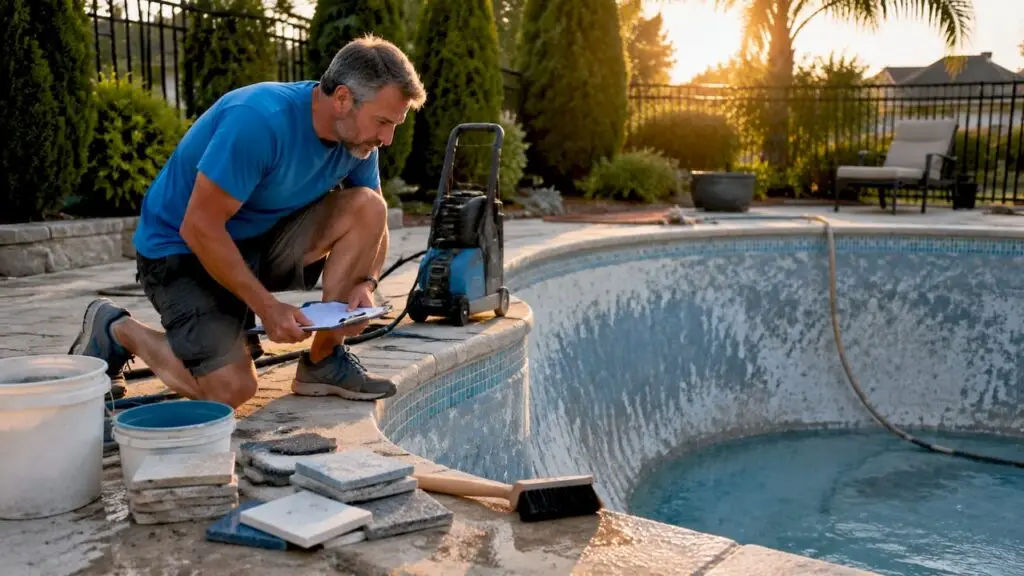
For DIY projects, the core tool kit includes a pressure washer, wire brush, pool surface grinder, and a wet/dry vacuum for prep work. Tile adhesive, waterproof grout, and a rubber mallet handle most minor tile repairs. Always verify that paints and finishes carry a manufacturer’s warranty and request physical samples before purchasing.
Pro Tip: Ask your supplier for sample chips of any plaster, pebble, or tile finish before committing. Colors look different underwater and under direct Arizona sunlight than they do on a showroom shelf.
| Material | Approximate Cost | Best For |
|---|---|---|
| Pool plaster | $6,000–$15,000 installed | Full resurfacing, inground pools |
| Epoxy pool paint | $100–$400 DIY | Above-ground or concrete shells |
| LED pool lights | $50–$300 per fixture | Energy-efficient ambiance |
| Solar deck lights | $15–$30 per unit | Perimeter and pathway lighting |
| Pebble aggregate finish | $10,000–$20,000 installed | Long-term durability |
How do you plan and prioritize upgrades for maximum impact?
Homeowners who skip upfront planning consistently end up spending more. Defining your pool’s primary purpose before spending a dollar is the single most effective cost-control strategy available. A pool used mainly for lap swimming needs lane markings and clear water visibility. A pool built for entertaining needs lighting, seating zones, and a clean deck. A relaxation-focused pool benefits most from water features and landscaping. Each purpose points to a different set of upgrades, and confusing them leads to expensive, unnecessary work.
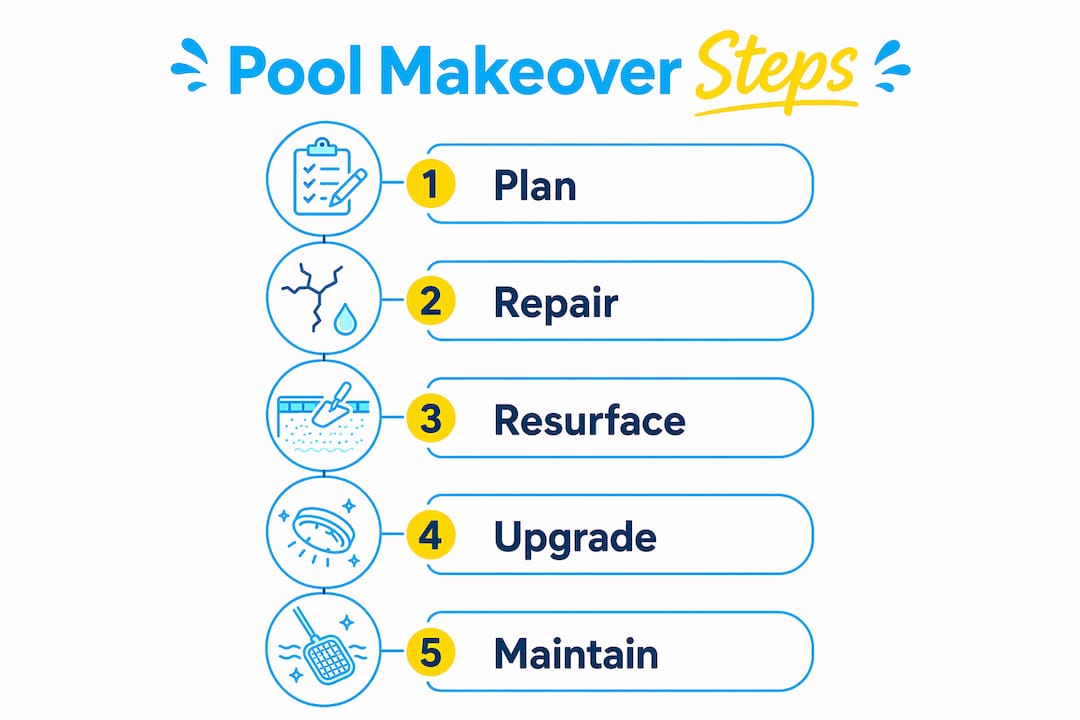
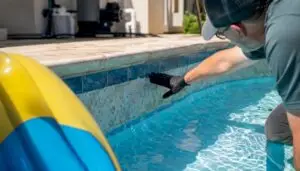
Start with repairs before aesthetics. Regrouting cracked tile, patching coping stones, and fixing minor surface chips cost far less than ignoring them until they become structural problems. A $200 coping repair today can prevent a $3,000 deck replacement next year.
Compare upgrades by three factors: cost, longevity, and visual impact.
- Resurfacing: High cost, high longevity (10–20 years), high visual impact
- LED lighting: Low-to-medium cost, high longevity (25,000+ hours), high visual impact
- Deck reseal or paint: Low cost, medium longevity (3–5 years), medium visual impact
- Water features: Medium cost, high longevity, high visual impact
- Potted plants and landscaping: Very low cost, variable longevity, high perceived value
Full inground pool renovations can run $40,000–$90,000. Choosing targeted upgrades over full rebuilds saves tens of thousands of dollars while delivering 80% of the visual result.
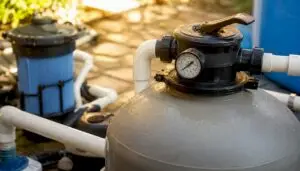
Energy efficiency upgrades also belong in your plan. Variable-speed pumps may qualify for utility rebates in many states, reducing their effective cost significantly. Check with your local utility provider before purchasing any new pump equipment.
Pro Tip: Get at least three written quotes from contractors, and require each one to bring physical material samples to the meeting. Competitive contractors provide in-person samples and transparent written plans. Any contractor who quotes only by phone or email is a red flag.
Step-by-step guide to affordable pool makeover projects
These steps apply whether you are doing the work yourself or directing a contractor. Follow this order to avoid rework and wasted spending.
-
Clean and inspect the pool surface. Drain the pool fully. Pressure wash all surfaces. Look for cracks, delaminating plaster, stained tile, and damaged coping. Document everything with photos before any work begins.
-
Complete all structural repairs first. Patch cracks with hydraulic cement or pool putty. Regrout loose tiles. Repair or replace damaged coping before applying any new finish. Skipping this step means your new surface will fail prematurely.
-
Apply your chosen resurfacing finish. For DIY projects, epoxy pool paint is the most accessible option. For professional results, plaster or pebble aggregate finishes applied by a licensed contractor deliver a longer-lasting surface. Pool resurfacing is one area where professional application consistently outperforms DIY for inground pools.
-
Install LED and solar lighting. Replace old incandescent pool lights with LED fixtures during the drain phase to save on labor. Add solar stake lights along the deck perimeter after refilling. This two-step approach handles both underwater and above-ground lighting in one project cycle.
-
Add budget water features. A simple fountain jet or spillover waterfall adds movement and sound to the pool environment. Wefixuglypools installs custom fountains and waterfalls at a range of price points, and even a single spillover can transform the feel of an older pool.
-
Upgrade the deck and landscaping. Resurface or paint the existing concrete deck rather than replacing it. Add potted tropical plants, ornamental grasses, or low-water desert plants around the perimeter. Strategic pool landscaping creates a higher perceived value without touching the pool structure itself.
Safety reminders during upgrades:
- Never apply new plaster or paint over wet or contaminated surfaces
- Confirm all electrical work meets local code before refilling the pool
- Keep children and pets away from the pool area during any chemical application
Pro Tip: Above-ground and DIY stock tank pools start as low as $400–$650. If your goal is a budget backyard water feature rather than a full swim pool, a stock tank with a small filtration system is a legitimate and stylish option.
What are the most common mistakes in budget pool makeovers?
The most expensive mistakes in low-cost swimming pool upgrades are not the ones you make during the work. They are the ones you make before it starts.
A level, stable base is non-negotiable for above-ground pools. Compacted sand or crushed stone must replace direct soil as the pool base. Soil shifts, compresses unevenly, and holds moisture. An unlevel base causes structural failure, leaks, and tipping, turning a $1,000 pool into a $3,000 problem within one season.
The 28-day startup protocol after resurfacing protects your investment. After replastering or applying a new finish, daily pH and alkalinity balancing for the first 28 days is required. Skipping or shortcutting this phase causes permanent staining, etching, and surface degradation within weeks of completion. This is the most commonly ignored post-renovation step, and it costs homeowners thousands in premature resurfacing.
Water chemistry management during the startup phase is not optional maintenance. It is the final step of the renovation itself.
Permit and code requirements vary by state and municipality. Electrical upgrades, new plumbing connections, and equipment replacements often require permits. Skipping permits can void your homeowner’s insurance and create problems when you sell the property. Check with your local building department before starting any equipment upgrade.
Contractor vetting protects your budget. Require written, itemized quotes. Verify contractor licensing through your state’s contractor licensing board. Never pay more than 10% upfront before work begins.
Pro Tip: Track water chemistry with a digital test kit like the Taylor K-2006 or an AquaChek test strip system during the entire startup phase. Manual testing is more accurate than automated systems for the first 28 days post-resurfacing.
Key takeaways
A budget pool makeover succeeds when you prioritize repairs first, choose high-impact upgrades like LED lighting and resurfacing, and follow the 28-day startup protocol to protect your new finish.
| Point | Details |
|---|---|
| Start with repairs, not aesthetics | Fix cracks, coping, and grout before applying any new surface or finish. |
| LED lighting delivers the best ROI | Solar and LED fixtures modernize any pool at low cost with minimal installation effort. |
| Plan around your pool’s purpose | Defining fitness, entertainment, or relaxation goals prevents unnecessary spending. |
| The 28-day startup phase is critical | Daily water chemistry checks after resurfacing protect the finish from permanent damage. |
| Get written quotes with physical samples | Transparent contractor bids with material samples prevent hidden costs and surprises. |
What i’ve learned after hundreds of pool transformations
Most homeowners come to us after spending money in the wrong order. They buy new deck furniture and LED strip lights before fixing a cracked coping stone or a stained plaster surface. The result looks patched together because it is. The pool still looks old. The money is gone.
The projects that deliver the most satisfaction are the ones where the homeowner started with a clear purpose. One client in the Phoenix area wanted a pool for evening entertaining. We focused entirely on LED lighting, a single spillover water feature, and fresh plaster. The total came in well under $15,000. The transformation looked like a $40,000 renovation because every dollar went toward what that specific homeowner actually needed.
I have also seen the opposite. Homeowners who tried to DIY a full replaster job without the proper startup protocol called us back within three months with a stained, etched surface that needed to be redone from scratch. The 28-day water chemistry protocol is not fine print. It is the job.
My honest advice: spend 20% of your budget on planning and repairs, 60% on the one or two upgrades with the highest visual impact for your specific use case, and 20% on finishing touches like landscaping and lighting accents. That ratio works every time. And if you are not sure where to start, a professional assessment costs far less than a mistake.
— Brian
How Wefixuglypools can help you renovate without overspending
Wefixuglypools has spent over a decade transforming unappealing pools across the Greater Phoenix area, with hundreds of completed projects ranging from targeted cosmetic refreshes to full custom builds. Every project starts with a personalized assessment and a transparent, written plan with physical material samples presented on-site.
Whether you need a fresh plaster surface, new water features, or a complete pool remodeling and restoration plan that fits your household budget, Wefixuglypools builds the solution around your priorities, not a standard package. Homeowners in Surprise, Scottsdale, and across the Valley trust Wefixuglypools because the pricing is clear from day one and the results speak for themselves. Request your free consultation and see what a focused, budget-conscious renovation actually looks like.
FAQ
What is the cheapest way to renovate a pool?
The cheapest pool renovation focuses on resurfacing with epoxy paint, replacing old lights with LED fixtures, and adding potted landscaping around the deck. These three upgrades deliver the highest visual return at the lowest combined cost.
How much does a basic pool makeover cost?
A basic pool makeover starts at around $1,600 for minor repairs and cosmetic updates, with full resurfacing running $6,000–$15,000 depending on pool size and finish material.
Can i resurface my pool myself?
DIY resurfacing with epoxy pool paint is possible for above-ground and smaller concrete pools, but inground pools benefit significantly from professional application. Improper surface prep or application leads to peeling and early failure.
How long does a pool resurfacing last?
Pool plaster lasts 10–15 years with proper maintenance. Pebble and quartz aggregate finishes last 15–20 years. Epoxy paint requires reapplication every 3–5 years.
Do i need a permit for pool equipment upgrades?
Permit requirements vary by state and municipality. Electrical upgrades and new plumbing connections typically require permits, and permit requirements vary by location. Always check with your local building department before starting equipment work.